
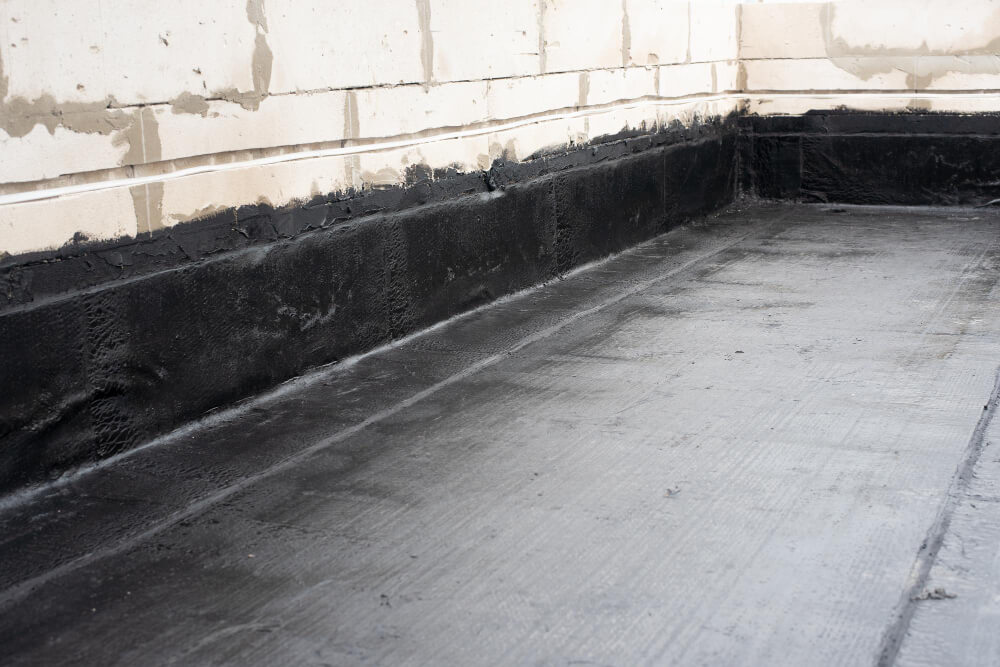
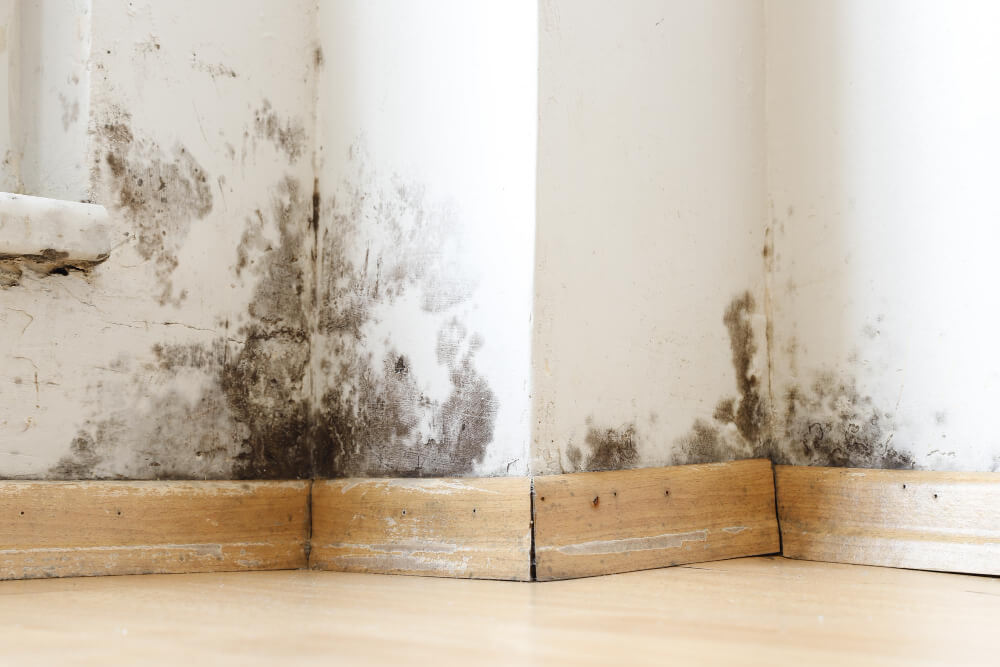
Unpredictable and harsh weather conditions have increased the threat of water intrusion in homes. A wet basement adversely affects the home’s indoor air quality and structural health. Basement waterproofing is now an urgent need to protect basements from water and moisture issues. It is a durable solution that prevents issues like mold, mildew, wood rot, and weakening of foundation structures.
As homeowners prioritize sustainable living, eco-friendly solutions are being highlighted for home renovations. A basement in good condition lowers the energy consumption of the house and prevents extensive foundation repairs. Eco-smart waterproofing methods that are durable, efficient, and sustainable have been introduced to the home service industry. This blog explores practical, sustainable, and innovative solutions to waterproof the basement and protect your home and the environment. These eco-friendly methods for new constructions or renovations reduce your carbon footprint, save money, and ensure a healthier environment.
Basement Moisture Problems
Climate change significantly impacts weather conditions, leading to unpredictable and heavy rainfall. Rise in groundwater levels, flash flooding, and soil saturation put pressure on basements, causing cracks, leaks, mold, and bowing. As homes increase in numbers with limited or unmanaged drainage systems, more cases of basement water damage are on the rise.
Traditional waterproofing methods like sealants, sump pumps, and dehumidifiers effectively prevent damage but are not environmentally friendly. They use harmful chemicals and consume more electricity or petroleum products to operate. While safeguarding the home, these methods release harmful VOCs, increase utility bills, and adversely affect health and the environment.
As households prioritize the safety of the planet along with the protection of their property, there is a need for practical and sustainable waterproofing practices. Homeowners demand durable solutions that offer long-term protection and savings with minimal damage to the ecosystem.
What is Eco-smart Basement Waterproofing?
Eco-smart waterproofing techniques are the newest developments designed to protect the basement from moisture issues. They are efficient, non-toxic, and sustainable approaches that protect the basement from water damage while being environmentally responsible.
Conventional basement waterproofing techniques use chemical-heavy products that affect the air quality or tools that consume too much energy. High-VOC (volatile organic compounds) products are harmful to human health and the environment. Modern solutions avoid such products and techniques and adopt environment-friendly alternatives instead.
Key features that separate these solutions from traditional ones are:
- They use recycled or reusable materials
- They reduce dependency on energy sources
- Low-impact, less intrusive installation methods
- Compliance with green building certifications like LEED and WELL
Eco-smart waterproofing combines science and sustainability to create a comfortable indoor climate and reduce a home’s carbon footprint.
Sustainable Solutions for Dry Homes
Here are some sustainable solutions for safe, dry, and green homes that prevent environmental damage and degradation.
Advanced Waterproofing Materials
Advanced materials are game-changers in the realm of basement protection. These include high-tech polymers and elastomeric membranes that are flexible, synthetic materials creating an impenetrable barrier against moisture. These membranes are designed to expand and contract with the home’s movement, reducing the risks of cracks and leaks.
Crystalline waterproofing is another innovative solution for homes. These chemicals are inserted deeply into the concrete, creating waterproof crystals. Epoxy and polyurethane are also practical solutions for repairing cracks and preventing leaks.
Green Waterproofing Materials
As more homeowners and businesses become eco-conscious, greener waterproofing solutions are being developed and implemented. They ensure effective waterproofing with reduced environmental impact and long-term sustainability. Bio-degradable materials made from soy, natural rubber, and hemp with better durability and elasticity are the latest introductions of 2025.
Water-based sealants are also less toxic, easier to clean, and perform effectively. Rubberized asphalts are manufactured from recycled tires and provide a superior moisture barrier. They are also easy to install, durable, and work flexibly with the foundation’s movements. All these green materials form water-tight barriers without affecting the soil with harmful chemicals.
Recycled Drainage Systems
Waterproofing structures, created with recycled materials and intelligent design, keep the basement dry while protecting nature. Using recycled plastics for French drains and sump pump basins reduces landfill waste and your carbon footprint.
Other innovative drainage solutions include rain gardens that help manage water runoffs while enhancing the aesthetic appeal of your property. Permeable paving allows the water to flow naturally and the ground to breathe, while dry wells let the earth absorb excess water. They are functional and aesthetic features that naturally drain water from the foundation.
Innovative Water Extraction Techniques
Water intrusion in the basement causes different health and structural issues. Mold, mildew, and a musty smell affect the home’s air quality and residents’ respiratory health. Wood rot and weakened basement structures threaten the structural integrity of the entire home. It is crucial to quickly and effectively remove all standing water and dry the basement immediately. High-quality submersible pumps are highly effective in draining large volumes of water quickly. Perimeter drains and sump pumps also redirect water from the basement and reduce the risks of flooding. Smart drainage systems with sensors effectively monitor water levels and reduce threats.

Smart Monitoring Systems
Smart monitoring systems are preventive measures that help you monitor water levels and protect your property. They utilize flood detection technology to prevent basement flooding in your home. Sensors are strategically placed along the basement that send automatic, real-time alerts whenever water crosses a certain threshold. They help you take immediate action and minimize damage.
These advanced solutions can be integrated with home security systems to provide seamless control. They can be customized to send alerts for specific conditions, informing homeowners before a minor issue escalates. Some models even provide predictive analysis, analyzing historical data to identify potential flooding risks. Investing in technology helps to protect your basement and peace of mind by preventing mold growth and costly repairs.
Rapid Response Teams for Emergencies
Water damage is sometimes inevitable despite all the preventive measures. Having a rapid response team at your disposal reduces the impact of emergencies like flooding. Such teams are trained to handle emergencies with minimal disruption and damage to your property. They quickly identify the source and extent of damage, promptly remove water to prevent mold growth and structural damage, and dry, clean, and restore the affected areas. They ensure minimal damage to your belongings, and the basement is livable again.
Sustainable Waterproofing Solutions for 2025
In the eco-conscious era, adopting sustainable basement waterproofing solutions is a necessity for your health and the environment. Using green waterproofing materials, recycled drainage systems, home remedies, and smart monitoring systems ensures your basement is protected with minimal environmental impact. These solutions have fewer adverse effects on our health and air quality, improve the home’s energy efficiency, and create a healthier home environment. Innovative extraction techniques and rapid response teams can lower the impact of water damage and protect your home from structural issues and costly repairs. Make it your 2025 resolution to adopt these sustainable solutions to protect your home and the planet.