
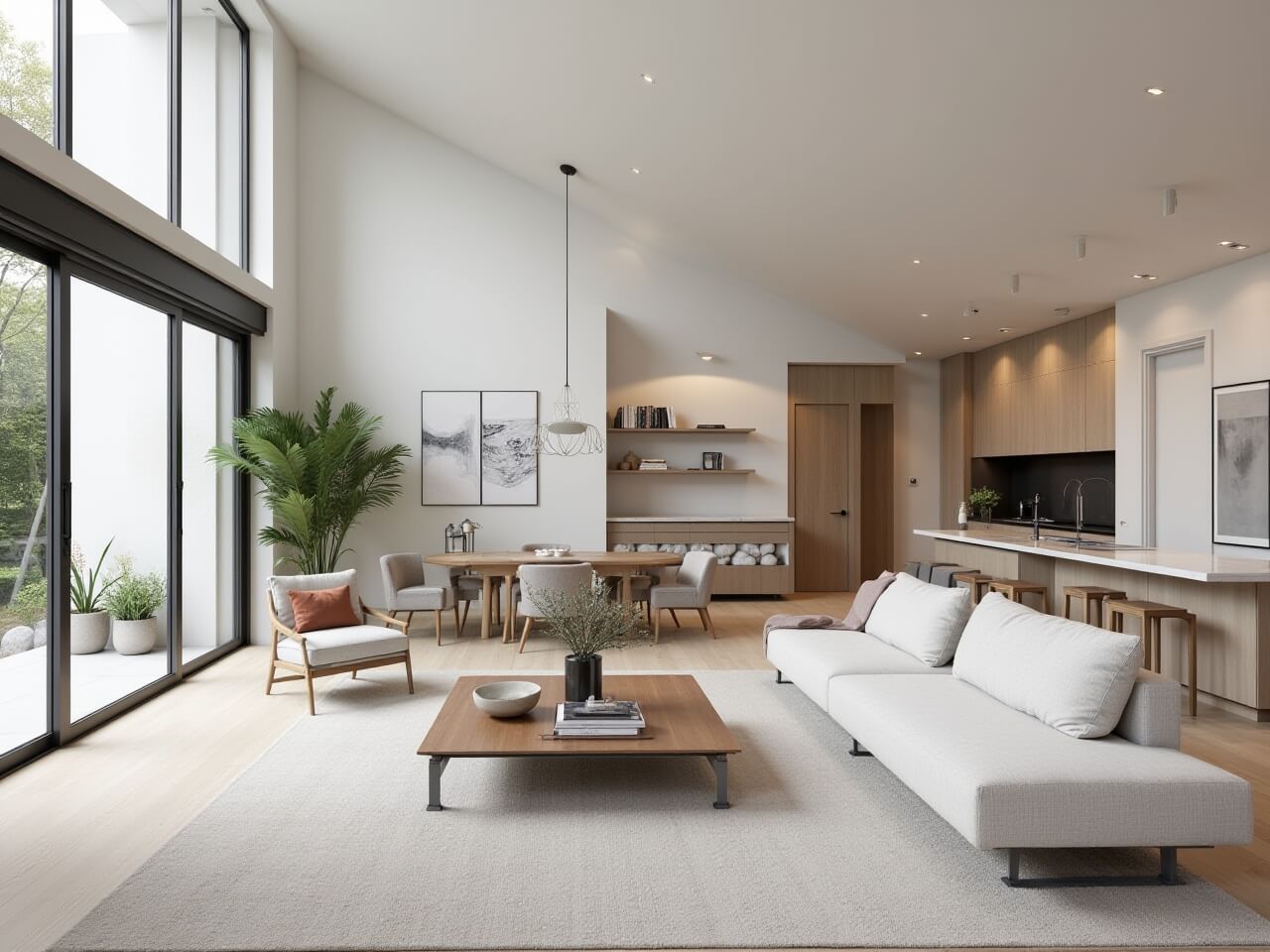
When selling a home, the aesthetic appeal can affect its market value. Interior design attracts potential buyers and improves the impression of a property. Buyers make snap decisions based on their first impressions, and a well-designed interior can draw them in and make them willing to pay a premium.
From color schemes to the arrangement of furniture, small changes can result in considerable improvements in sale price. Learn more about how interior design affects sale value and helps homeowners better prepare their properties for the market and maximize their return on investment.
Navigating the Mobile Home Market with Ease
Selling a mobile home can come with different challenges compared to traditional homes in the same market. Know buyer motivations to achieve a successful sale. Mobile homes in desirable locations or with unique features can fetch a good return. Sellers need to market mobile homes effectively and recognize that many buyers prefer as-is purchases for fast cash. For those in Florida seeking this avenue, leveraging a platform that states We Buy Florida Mobile Homes can streamline the process and provide cash offers without the headache of renovations or the intervention of real estate agents. These companies offer sellers that much-needed relief that they might not have in a traditional setting. Sellers can now focus on their next steps, rather than stressing over extensive repairs or time-consuming listings.
How Colors Influence Perceptions and Selling Price
The choice of colors in a home can convey emotions and set the mood, influencing buyer perceptions. Warm tones like yellows and oranges create an inviting atmosphere and make rooms feel cozier. Cool tones such as blues and greens may evoke calmness, appealing to buyers looking for a relaxing space.
Using a neutral palette allows potential buyers to envision their lifestyle within a space. The practice of creating an inviting visual narrative can add to the desirability of a property. The right color palette solidifies a buyer’s interest and justifies higher price offers. Paint selection is an affordable investment that produces substantial benefits and directly affects the sale value of a home.
The Importance of Functional Layouts and Space Optimization
A well-thought-out layout can transform a house from simply functional to highly desirable. Buyers look for spaces that flow nicely and are easy to navigate, making their daily lives comfortable and efficient. Interior design should focus on optimizing the space. Open-concept designs tend to attract buyers, as they provide an illusion of larger areas and promote social interaction without barriers.
Storage solutions create functional beauty. Homes that lack storage can leave potential buyers feeling overwhelmed. By incorporating built-in shelves, clever furniture designs, and multi-purpose areas, home sellers can showcase the full potential of each room. Maximized spaces lead buyers to perceive a property as well-cared-for, suspecting it can meet their needs for years to come. A functional layout can elevate the home’s perceived value and improve the likelihood of a bidding war among interested buyers.
Stage Your Home for Emotional Connection
Staging is a powerful marketing tool that leverages emotional connection to captivate buyers. An emotional response can heavily influence a buyer’s decision-making process and push them to act quickly when they feel they’ve found their dream home. Strategically placing furniture, adding personal touches, and creating an inviting ambiance through lighting can evoke that much-needed emotional pull.
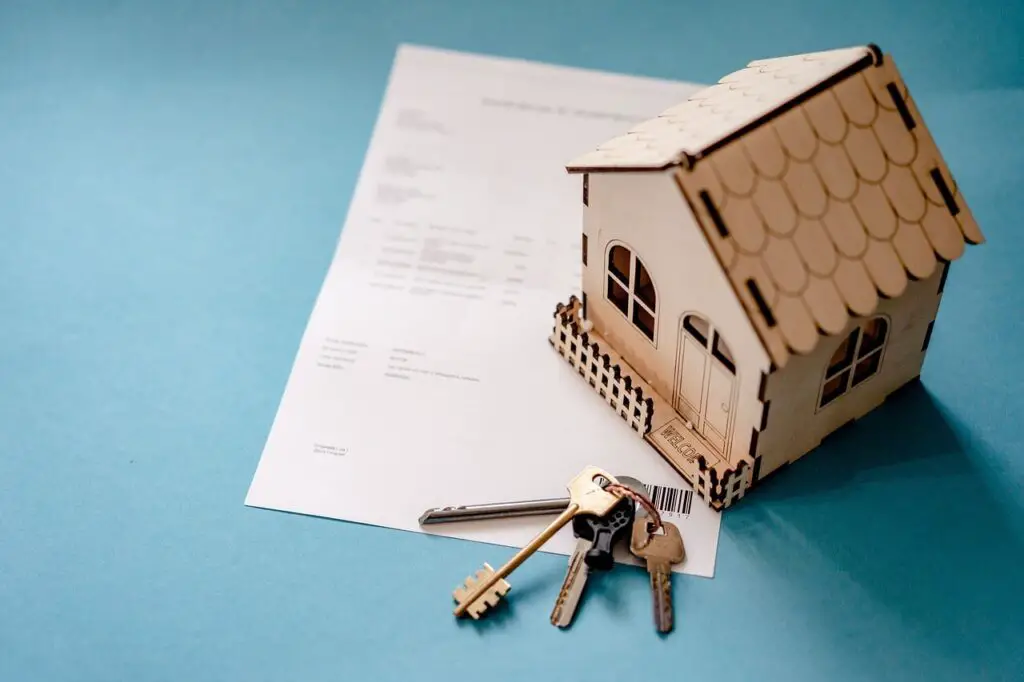
Staged homes sell much faster than their non-staged counterparts. Sometimes, sellers struggle with objectivity regarding their own spaces. Enlisting the help of a professional stager can provide the expertise necessary to improve the home’s layout, color schemes, and decor. They understand market preferences and buyer behavior, which can affect sales outcomes. Staging highlights the best attributes of a property and helps buyers visualize themselves living there, making them much more inclined to finalize the purchase.
Invest in High-Quality Finishes and Fixtures
The quality of finishes and fixtures within a home can influence a buyer’s perception of value. Granite countertops, hardwood floors, high-end appliances, and other luxury materials impart an aura of sophistication and worth. These high-quality features can justify a higher asking price and make the house stand out in the housing market.
Buyers associate premium finishes with lower future maintenance costs and superior quality of life. Investing in modern windows or EPA-certified appliances can demand higher sales. Homebuyers are seeking out properties that promise lower energy costs and environmental sustainability. Digital resources continue to educate buyers on these benefits, and having energy-efficient upgrades can be a powerful selling point. Potential buyers are more likely to pay a premium for a well-updated home that will require fewer repairs in the near term.
Maximize Curb Appeal to Attract Buyers First
First impressions matter in real estate, which is why maximizing curb appeal can set the tone for a successful sale. The exterior of a home should welcome prospective buyers and offer them a glimpse of what lies within. A well-maintained yard, organized walkway, and fresh exterior paint can all entice buyers to step inside for a tour.
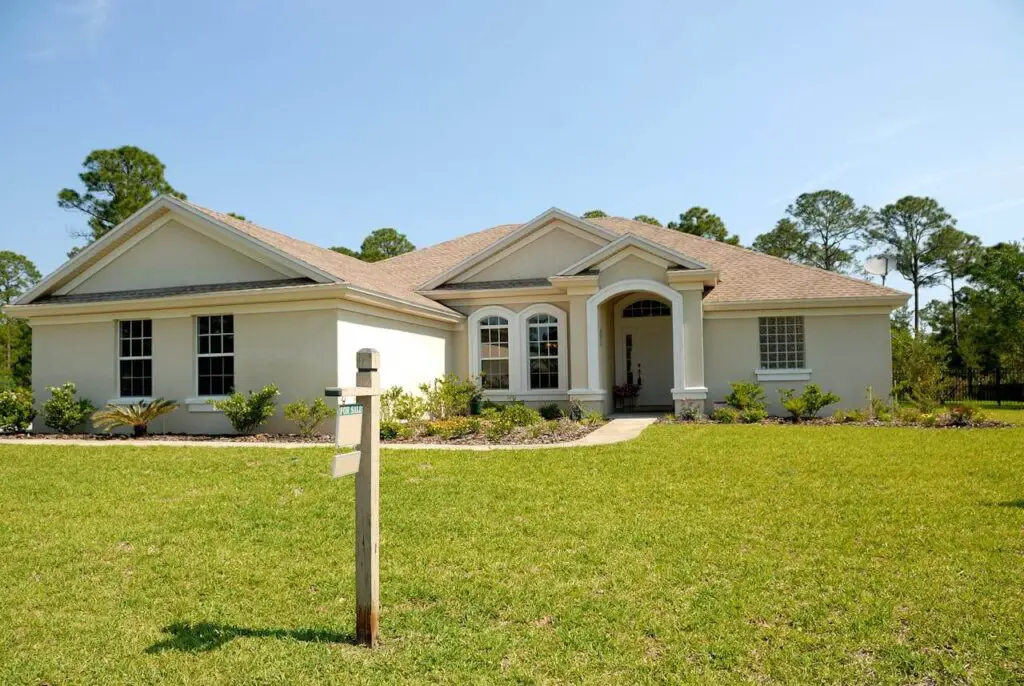
Some simple landscaping updates can inject vibrancy and warmth into the home. New fixtures, a modern front door, or fresh shingles will affect the perceived value of a home. Homeowners should consider minor repairs to roofs or gutters to eliminate immediate concerns that may deter buyers. A clean and inviting exterior speaks volumes about how a home has been maintained, encouraging trust and confidence in prospective buyers. A strong curb appeal can attract more interest and facilitate quicker sales at higher price points.
Market Trends and Economic Factors
With fluctuating interest rates, local market dynamics, and buyer preferences, sellers need to remain informed. Economic downturns may lead to increased demand for affordable housing, driving up interest in mobile homes and redefined property presentations. A buyer’s market may place pressure on sellers to upgrade interior designs to stand out. Those who feature modern designs are more likely to receive favorable offers.
Staying attuned to shifts in buyer behavior enables sellers to adapt quickly and meet the current expectations. Continuously aligning interior design practices with market realities can position a home more favorably within the real estate industry.
The value of a home encompasses the powerful role of interior design in creating emotional connections and enticing prospects. Homeowners should carefully evaluate their design choices so that they align with buyer expectations and market demands.
Sellers now know how colors, layouts, staging, and home enhancements impact sale values for the best. Sales are the storytelling through design that captivates potential buyers. For this reason, sellers want a highly functional, attractive home to maximize their returns.