
Moving to a new home often brings a mix of excitement and stress. While the idea of starting fresh is energizing, the process of packing up everything you own can feel overwhelming. Boxes pile up, belongings get misplaced, and the pressure to stay organized mounts quickly. Without a thoughtful plan, what should be an exciting transition can turn into a frustrating ordeal.
Hence, this article explores practical ways to make packing less stressful and more manageable.
Practical Strategies to Simplify Your Packing Process
Packing an entire household becomes less intimidating when you approach it with methods that streamline the workload and keep everything under control. Here are ideas.
Use Quality Packing Supplies and Transport Tools
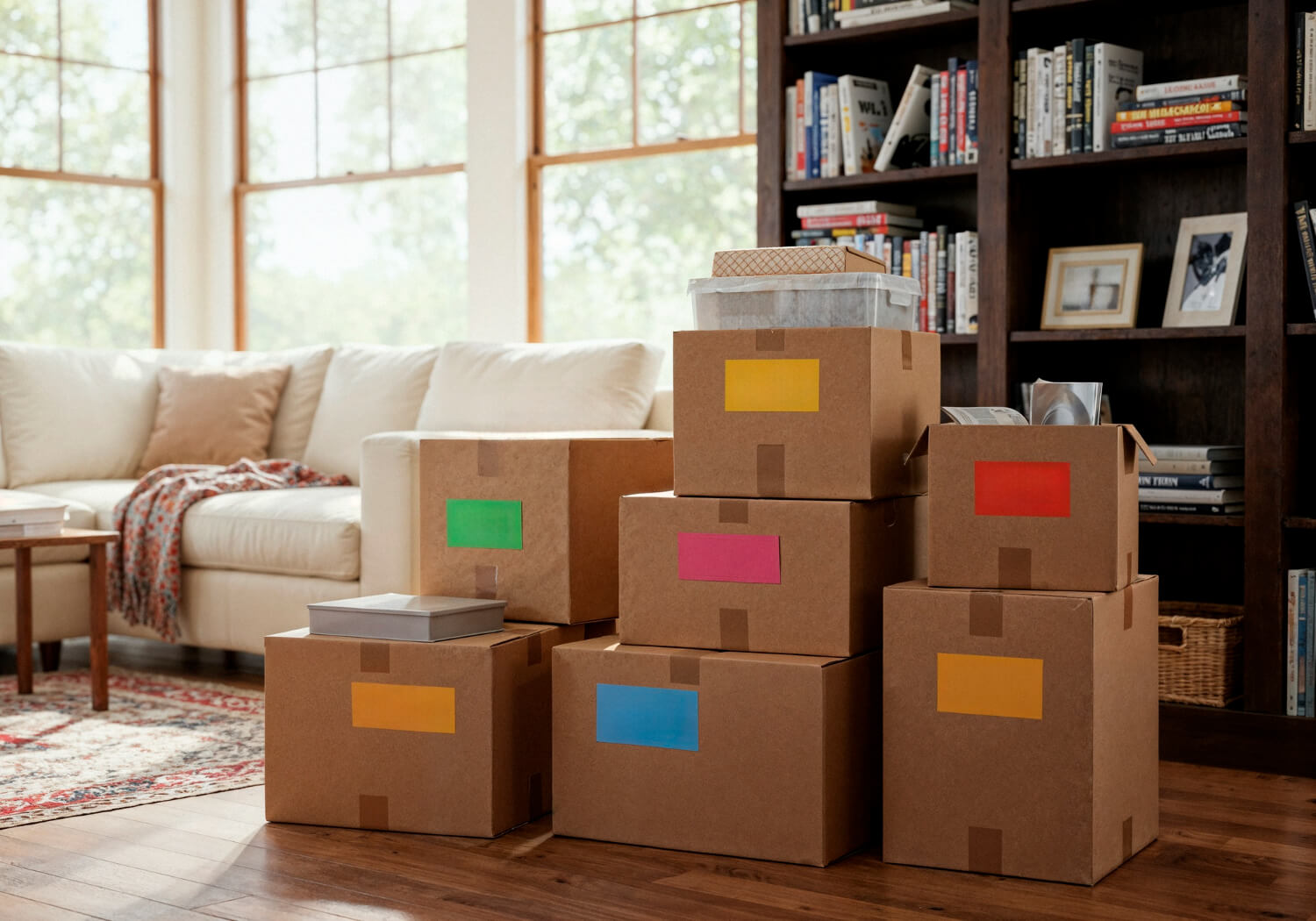
Reliable supplies form the backbone of a smooth move. For instance, sturdy boxes prevent crushing, heavy-duty tape keeps seams secure, and bubble wrap or packing paper protects delicate items. Even simple steps, such as labeling boxes with bold markers or using color-coded stickers, make unpacking faster and more organized.
Beyond the basics, larger transport tools can play a crucial role in reducing stress. A trailer, for instance, makes sense when you’re dealing with oversized or numerous items that won’t easily fit in standard vehicles.
It allows you to move bulkier loads in fewer trips and provides a mobile holding space while you organize on-site. Since costs can vary, request a quote in advance. It ensures you know what to budget for and helps you weigh whether renting or purchasing a trailer is the most practical choice for your situation.
Create a Packing Timeline
The stress of moving often comes from trying to do everything at once. As such, a well-planned timeline changes that by spreading the workload into manageable chunks. Start by setting a realistic moving date and working backward. If you have six weeks, dedicate the first to sorting non-essentials, such as books, seasonal clothes, or décor.
In the following weeks, move toward spaces you use daily, such as the kitchen and bathroom, saving essentials for last. Assign daily or weekly tasks to create structure and ensure you cover every room.
This approach helps you prepare emotionally. When you break the process into phases, you avoid rushed decisions about what to pack or toss. Each day feels productive without being overwhelming, and you’ll be less likely to misplace crucial items. Keeping a calendar or checklist handy makes it easy to track progress.
Declutter Before You Pack
It’s tempting to pack everything, but carrying unused or unwanted items only makes the process harder. Begin with a simple rule: if you haven’t used it in a year, reconsider whether it belongs in your new space. Sort items into categories—keep, donate, sell, or discard—and tackle one room at a time. It prevents decision fatigue and makes the process more efficient.
Decluttering also lightens both your physical and financial load. The fewer boxes you bring, the less you spend on supplies and transport. Selling unused items through online marketplaces or garage sales can even offset some moving expenses.
Protect Fragile Items Properly
Every move comes with the risk of broken glass, chipped dishes, or damaged electronics, but the right packing methods keep those worries in check. Start by wrapping breakables individually, using bubble wrap or packing paper for items like glasses and plates.
You can use towels, blankets, or sweaters as extra cushioning, which protects fragile items while also reducing the number of boxes you need. Layer heavier items at the bottom of the box and place lighter, more delicate pieces on top.

Think of each box as a puzzle. The goal is to prevent shifting during transport. Fill empty gaps with crumpled paper, fabric, or foam. Additionally, clearly label each box as fragile and note which side should face up.
Maximize Space in Boxes
Running out of space is a common frustration, but smart packing techniques help you fit more into fewer boxes. For instance, rolling clothes instead of folding saves room and keeps fabric from wrinkling. Nesting items, such as placing smaller bowls inside larger ones, also reduces wasted space. For irregularly shaped belongings, tuck smaller objects into gaps so every inch of the box serves a purpose.
Weight matters as much as space. Overstuffed boxes may seem efficient, but they often become too heavy to lift safely. As such, balance is key: mix heavier items with lighter ones so boxes stay manageable. Suitcases, laundry baskets, and storage bins can also double as moving containers, which maximizes capacity and reduces the number of trips you’ll make. Packing with both space and weight in mind ensures smoother transport and less strain on moving day.
Pack Room by Room
Tackling your entire home at once can make the move feel endless, but focusing on one room at a time makes the process more manageable. Start with the spaces you use least, such as guest rooms or storage areas, and leave daily essentials for last. This approach lets you see steady progress, which keeps motivation high and prevents the chaos of half-packed rooms scattered throughout the house.
Labeling becomes simpler when you work room by room. You can mark each box with the room name and a quick description of the contents, such as “Kitchen – Pots and Pans” or “Bedroom – Winter Clothes.” Color-coded tape or stickers make it even easier for movers or family members to know where everything belongs once it arrives.
This method pays off when unpacking. Instead of searching through random boxes for what you need, you can set each box directly into its matching room.
Keep Essentials Accessible
The first day in a new home often feels hectic, and digging through boxes for basic items only adds to the stress. To avoid this, set aside a small collection of essentials in a clearly marked box or bag. Think of what you’ll need within the first 24 to 48 hours: toiletries, a change of clothes, chargers, medications, and some simple kitchen supplies like cups or utensils.
Keep this box separate from the main load, either in your car or a place you can spot during unloading. Families may find it useful to pack a small essentials kit for each member, including personal items like favorite snacks or comfort objects for children. This way, everyone has what they need to feel settled even before the unpacking begins.
An essentials box also helps you pace yourself. With immediate needs covered, you don’t feel pressured to unpack everything at once.
Conclusion
Moving brings both excitement and pressure, but preparation shifts the balance toward a smoother experience. For instance, choosing practical methods for packing and transport ensures belongings stay safe and the workload feels manageable. Each completed step builds momentum, turning the move into a confident start rather than a stressful hurdle.