

Selling a house with worn flooring in every room can feel intimidating at first. Floors are evident, so their condition often feels like a major obstacle. Many homeowners worry that buyers will lose interest the moment they notice stains, scratches, or cracks. This fear can lead to rushed upgrades or unnecessary spending. In reality, flooring issues are common and manageable with the right approach. A calm plan helps sellers move forward without pressure or confusion.
Floors grab buyer attention fast
Floors are one of the first surfaces buyers see when entering a home. Worn flooring can make a room feel older than it actually is. Buyers often connect floor condition with overall care, even when that connection is not accurate. This reaction is emotional and happens quickly. Once a negative impression forms, it can influence how buyers judge everything else. Knowing this reaction helps sellers plan ahead instead of feeling caught off guard.
Many buyers picture themselves living in the home right away. Old flooring forces them to imagine work, noise, and inconvenience. This mental effort can slow decisions or lower excitement. First-Time home buyers often feel this pressure more strongly due to limited renovation experience. They may assume flooring updates are harder than they really are. Understanding these thoughts helps sellers respond calmly and strategically.
Selling options that remove renovation stress
Not every home needs new flooring before it goes on the market. Many sellers choose paths that allow them to sell as-is. This approach removes the pressure of spending money upfront. Buyers who expect repairs focus more on value than appearance. Selling to cash buyers or investors often fits this situation well.
Companies like Modern Offer REI work with sellers who want simplicity. These buyers evaluate the property as a whole rather than focusing on cosmetic flaws. Flooring becomes part of the calculation rather than a deal breaker. This option often shortens the selling timeline. It also reduces emotional stress tied to showings and negotiations.
Another option involves adjusting the listing price instead of making repairs. Sellers reflect the flooring condition directly in the price. This honesty attracts buyers who understand renovation needs. Clear pricing helps avoid repeated negotiations later. It also keeps expectations aligned from the beginning.
Situations where light fixes help
Full floor replacement is not always necessary. Some homes benefit from basic cleaning or small repairs. Deep carpet cleaning can remove odors and stains that distract buyers. Polishing hard floors can improve appearance without major cost. These steps work best when floors are worn yet still functional.
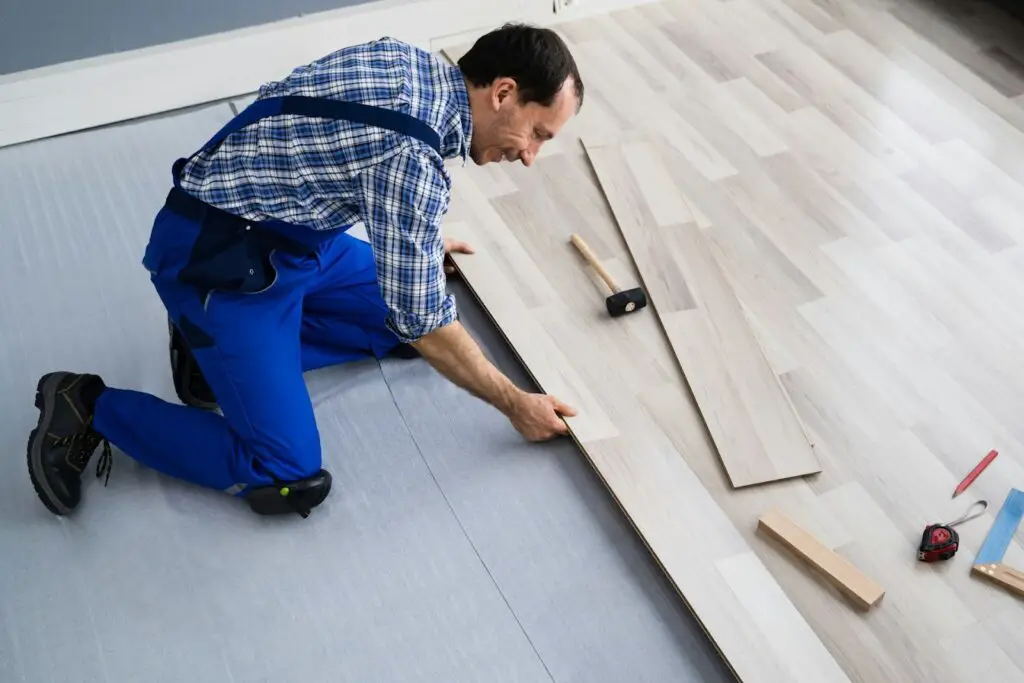
Small improvements help buyers focus on room size and layout. Loose tiles or torn carpet edges can be fixed quickly. Removing old rugs can also change how floors are perceived. These updates cost far less than replacement. Sellers should decide on a spending limit before starting any work.
Pricing choices that match floor condition
Pricing correctly becomes more important when floors need attention. Overpricing often leads to long market time and repeated negative feedback. Buyers quickly notice flooring issues and adjust expectations. A realistic price attracts buyers who already plan for updates. This alignment saves time and reduces frustration. Pricing adjustments should reflect real renovation costs. Buyers rarely pay retail prices for flooring work. Many use contractors or bulk materials at lower rates. Pricing with this reality in mind keeps offers fair. Transparency in the listing also builds trust early.
How buyers calculate flooring impact
Buyers think about flooring costs in different ways. Investors calculate based on square footage and materials. Homebuyers often think about disruption and effort instead. Both groups mentally subtract flooring costs from their offers. This subtraction is often higher than the actual expense.
Uncertainty causes buyers to overestimate problems. When sellers acknowledge the flooring condition openly, it reduces fear. Clear descriptions help buyers feel informed. Some sellers even share general cost ranges. This clarity creates smoother conversations and fewer surprises.
Steps that lower stress during the sale
Stress decreases when sellers choose a clear plan early. Deciding whether to repair, discount, or sell as-is prevents last-minute pressure. This clarity guides every decision that follows. Sellers avoid emotional swings caused by buyer feedback. A steady approach keeps the process manageable. Organization also helps reduce stress. Knowing the age of the flooring and past maintenance details saves time. Quick answers build buyer confidence during discussions. Fewer delays mean fewer worries. Preparation supports a calmer selling experience.
Practical direction moving forward
Selling a home with outdated flooring does not require perfection. It requires honesty, planning, and realistic expectations. Many buyers are comfortable handling cosmetic updates after purchase. Flooring condition becomes one factor rather than the entire story. Sellers regain control when they focus on strategy instead of fear. By choosing the right selling path, stress stays low. Clear pricing and open communication attract suitable buyers. Flooring issues stop feeling overwhelming once they are addressed logically. With a solid plan, selling becomes smoother and more predictable.