
Let’s face it—homes are like people. They get tired, weathered, and sometimes, they just need a little help bouncing back after a rough patch. Whether it’s a burst pipe, unexpected fire, or creeping mold making your walls feel like a biology experiment, certain problems require more than elbow grease and a YouTube tutorial.
That’s where residential restoration services come in. These professionals don’t just patch things up—they restore, rebuild, and bring your space back to life, often better than before. But when do you know it’s time to bring them in? Let’s dig into the telltale signs your home is waving a big, red “help me” flag—and how restoration experts can turn the tide.
What Are Residential Restoration Services?
Before we dive into the warning signs, let’s get crystal clear on what restoration services actually cover. These aren’t your standard fix-it folks or renovation crews. Restoration specialists are certified, trained professionals who respond to damage, typically from water, fire, mold, or storms, and restore your home to its safe, livable condition.
Typical services include:
- Water damage restoration: From broken pipes to flood aftermath, they extract water, dry out the area, and prevent mold.
- Fire and smoke remediation: They remove soot, smoke odor, and repair structures.
- Mold inspection and removal: They identify hidden growth, remove spores, and treat the source to prevent regrowth.
- Storm and wind damage repair: Broken windows, collapsed roofs, and debris cleanup are all in their playbook.
- Biohazard cleanup: Handling sewage backups, chemical spills, or trauma scenes safely and professionally.
Think of them as the emergency response team for your home. When disaster strikes—or creeps in slowly—restoration experts know how to stabilize the situation and undo the damage.
7 Signs It’s Time to Call Restoration Services
Not every home issue warrants the professionals. But when the signs are clear (and sometimes, when they’re not), hesitation can lead to more costly damage. Here’s what to watch out for.
Musty Smells That Won’t Go Away
If your home smells like a wet towel, no matter how much you clean, you might have a hidden mold problem. Musty odors are often a giveaway that moisture is lingering somewhere behind walls or beneath floors—prime conditions for mold to flourish. Restoration experts can trace the source, contain it, and remove mold before it impacts your air quality or health.
Visible Mold or Mildew
This one’s more obvious—but still too often ignored. If you spot dark, fuzzy patches along baseboards, ceilings, or bathroom tiles, don’t dismiss them as harmless.
What’s visible on the surface is often just a small piece of the puzzle. Left untreated, mold can spread into HVAC systems, drywall, and insulation.
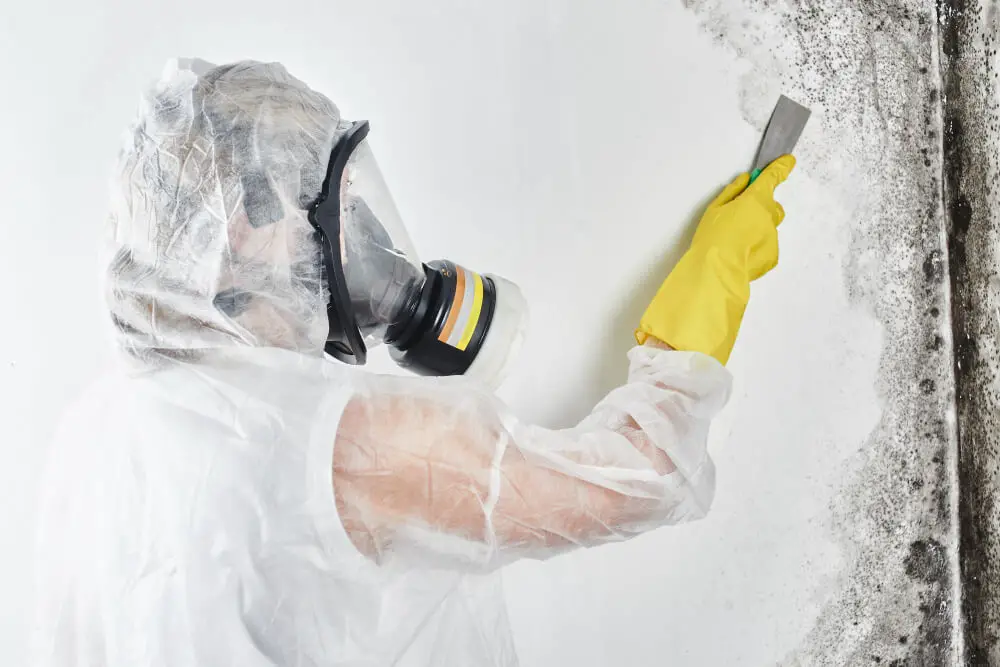
Calling restoration professionals early can stop the spread and preserve more of your home.
Water Damage—Even If It Looks “Dry” Now
Has your home recently experienced a flood, a leaky appliance, or a roof issue? Even if everything looks dry now, hidden water can sit behind walls, warp wood, and fuel mold growth. Restoration teams use moisture meters and infrared cameras to detect what you can’t see—then dry it out before it causes deeper structural issues.
Peeling Paint or Warped Floors
Bubbling paint and curling floorboards are subtle clues that moisture is present. Maybe there’s a leaky pipe behind the wall. Maybe condensation is building in your attic or basement. Either way, if surfaces in your home are starting to change shape, it’s time to investigate.
Lingering Smoke Odor
After a fire—big or small—smoke particles can settle into fabric, walls, and ventilation systems. If your home smells smoky long after the flames are out, that’s not just unpleasant—it can be a health hazard. Restoration services specialize in smoke removal, using industrial-grade equipment to filter air and neutralize odors at the source.
Cracks or Shifting in the Foundation
Structural issues can develop slowly after water intrusion or storm damage. If you notice new cracks in walls, doors that don’t close properly, or sloping floors, those could be signs your foundation is compromised. Restoration professionals can assess whether moisture or storm damage is to blame—and offer a plan for reinforcement.
Health Symptoms at Home
Experiencing unexplained headaches, fatigue, coughing, or allergies that seem to worsen at home? Poor indoor air quality from mold, mildew, or lingering smoke could be the culprit. Restoration services don’t just clean up debris—they help purify your space.
What Happens During the Restoration Process?
Every home is different, but restoration usually follows a consistent process:
- Assessment and inspection: Using thermal imaging, moisture mapping, and air sampling, pros determine the scope of damage.
- Containment and mitigation: Damaged areas are sealed off to prevent cross-contamination.
- Extraction and drying: Water is removed using powerful vacuums and dehumidifiers.
- Cleaning and disinfection: Surfaces are sanitized, mold is removed, and affected materials are discarded or treated.
- Repairs and reconstruction: Drywall is replaced, flooring is repaired, and the space is restored to livable condition.
Some companies even assist with insurance paperwork, offering documentation and direct communication with your provider to make the claims process smoother.
Why Time Matters: The Cost of Delay
Home damage rarely waits politely. Water seeps. Mold spreads. Odors linger. The longer you postpone calling the pros, the more complex—and expensive—the fix can become.
Here’s a rough timeline of what happens if you delay action after a water-related incident:
- 24 hours: Drywall begins to swell, and microbial growth starts.
- 48–72 hours: Mold colonies expand, wood warps, and metal surfaces rust.
- 1 week or more: Structural damage deepens, requiring full material replacement and major repairs.
Speed matters. The sooner you call in restoration services, the more you’ll save on repairs, on time, and on peace of mind.
Restoration Isn’t Renovation (And That’s a Good Thing)
It’s easy to confuse restoration with renovation. But while renovations are elective and aesthetic (new countertops, a bigger closet), restoration is all about necessity and safety.
Think of it this way: renovation makes your home prettier. Restoration makes it livable again.
And often, restoration lays the groundwork for safe, successful renovations down the line.
Don’t Wait for a Disaster to Make a Plan:
While restoration services are most often called after damage occurs, the smartest homeowners are proactive. Consider:
- Getting a mold inspection when buying a new home
- Checking for water leaks in older properties annually
- Creating a fire safety and storm preparedness plan
- Keep the contact info of a trusted restoration company handy, just like you would an emergency plumber or electrician
Why Restoration Services Are the First Call You Should Make
Your home protects you. When it’s compromised, acting fast makes all the difference. From smoke-filled rooms to moldy crawl spaces, residential restoration services are equipped to handle the messiest, most stressful situations—so you don’t have to. Don’t let a slow leak become a full-blown renovation. If your home’s showing any signs it’s under stress, bring in the experts who can restore comfort, safety, and structure—one well-trained step at a time.
*Sponsored Blog Post