Most people assume a high-end home comes down to budget. Bigger spaces, expensive materials, full renovations. But the reality is different.
The difference between a home that feels average and one that feels refined usually comes down to a handful of small, intentional choices. It is less about how much you spend and more about how everything works together.
If your space feels a bit flat or unfinished, it is often because the foundation elements are not doing enough of the heavy lifting. That is why some homeowners start paying closer attention to surfaces like flooring, sometimes even looking into options like GatherCo travertine floor tiles as a reference point for the kind of natural texture and depth that gives a room a more elevated feel.
Focus on what people notice first
When someone walks into a room, they are not analysing every detail. They are reacting to the overall impression.
Prioritise large visual surfaces
Walls, floors, and major furniture pieces set the tone. If these feel cohesive and well-balanced, the entire space feels more polished.
Instead of adding more décor, ask:
- Do my main surfaces feel connected?
- Is there enough contrast and depth?
- Does anything feel out of place or unfinished?
Getting these basics right has a bigger impact than any accessory.
Simplify, don’t add more
A common mistake is trying to make a space feel “better” by adding more items. This often has the opposite effect.
Remove visual clutter
High-end spaces tend to feel calm and intentional. You can achieve this by:
- Clearing unnecessary items from surfaces
- Reducing the number of decorative pieces
- Keeping only what serves a purpose or adds value
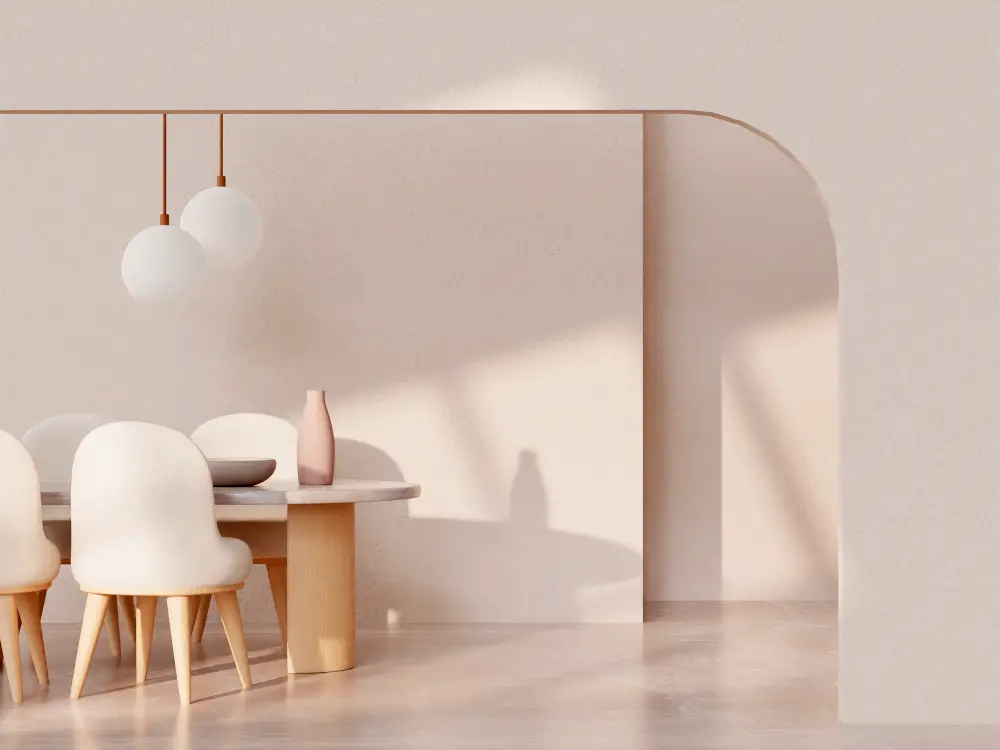
Less clutter creates more visual clarity, which instantly elevates a room.
Be selective with décor
Instead of filling every space, choose a few standout pieces. This gives each item room to breathe and feel more considered.
Upgrade your lighting strategy
Lighting is one of the fastest ways to change how a space feels.
Avoid relying on overhead lighting
A single ceiling light can make a room feel flat and harsh. It removes depth and makes everything look less refined.
Layer your lighting
Use a combination of sources:
- Table or floor lamps for softer ambient light
- Accent lighting to highlight features
- Warm-toned bulbs to create a more inviting atmosphere
This layered approach adds dimension and makes the space feel more thoughtfully designed.
Introduce texture for depth
Texture is often what separates a basic room from a high-end one.
Mix materials intentionally
A well-balanced space includes a variety of textures:
- Soft fabrics like linen or wool
- Natural materials like wood or stone
- Subtle metallic or ceramic finishes
These elements catch light differently, creating visual interest without needing bold colours.
Avoid overly uniform finishes
If everything in a room is smooth and consistent, it can feel flat. Small variations in texture make the space feel more dynamic and lived-in.
Pay attention to proportions
Even expensive furniture can look out of place if the proportions are wrong.
Scale matters
- Oversized furniture can overwhelm a room
- Pieces that are too small can feel disconnected
Aim for a balanced layout where everything feels appropriately sized for the space.
Create breathing room
Do not push everything against the walls. Giving furniture space around it helps the room feel more open and intentional.
Use colour more strategically
Colour does not need to be bold to be effective.
Stick to a cohesive palette
Choose a limited range of colours that work well together. This creates a sense of flow throughout the space.
Add contrast carefully
A few darker or richer tones can ground the room and prevent it from feeling washed out. The key is balance, not excess.
Small details that make a big difference
Often, it is the finishing touches that elevate a space.
Upgrade everyday elements
Simple swaps can have a noticeable impact:
- Replace outdated handles or hardware
- Update light switches or fittings
- Use higher-quality textiles for cushions and throws
These details might seem minor, but they contribute to the overall feel.
Keep everything consistent
Consistency across finishes and styles makes a home feel more cohesive. Mixing too many different styles can make the space feel disjointed.
Create a sense of intention
High-end spaces feel like they were designed with purpose, even if they were not.
Think in zones
Arrange your space so that each area has a clear function. For example:
- A defined seating area
- A reading corner
- A workspace
This makes the room feel more organised and easier to navigate.
Avoid overfilling the space
Leaving some areas intentionally empty helps balance the room. It gives the eye a place to rest and makes the space feel more refined.
Bringing it all together
You do not need a full renovation to make your home feel more high-end. In fact, most of the impact comes from how you use what you already have.
By focusing on layout, lighting, texture, and simplicity, you can transform the feel of your space without major changes.
The goal is not to impress, but to create a space that feels calm, cohesive, and considered. When everything works together, the result naturally feels more elevated without trying too hard.