Think your small bedroom is holding back your style dreams? Think again! Modern small bedroom layout ideas prove that limited square footage can actually be your secret weapon for creating spaces with serious personality. While small bedrooms come with unique challenges like restricted floor space for furniture, they excel at creating cozy, inviting atmospheres that are surprisingly easy to maintain.
Here’s the thing about tiny bedrooms—they’re like perfectly tailored suits. Every element has to work harder and look better, which often leads to more thoughtful, intentional design choices. Light, airy color palettes create the illusion of space, while clever layouts make the most of every available inch. Space-saving furniture options like Murphy beds offer smart solutions for guest rooms or studio apartments, and hanging curtains at ceiling height draws the eye upward, making ceilings appear taller.
You might be wondering: how do you balance functionality with style when you’re working with just a few square feet? That’s exactly what we’ll explore together! From selecting a well-thought-out design theme that infuses personality into your small haven to incorporating vertical storage solutions that reduce clutter, these practical strategies will help you create a bedroom that feels both spacious and stylish.
Ready to see what your small bedroom can really do? Let’s dive in and discover how to make every square inch count!
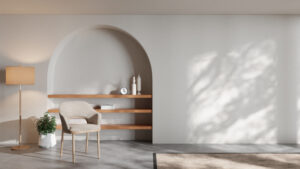
Start with a Design Theme That Reflects You
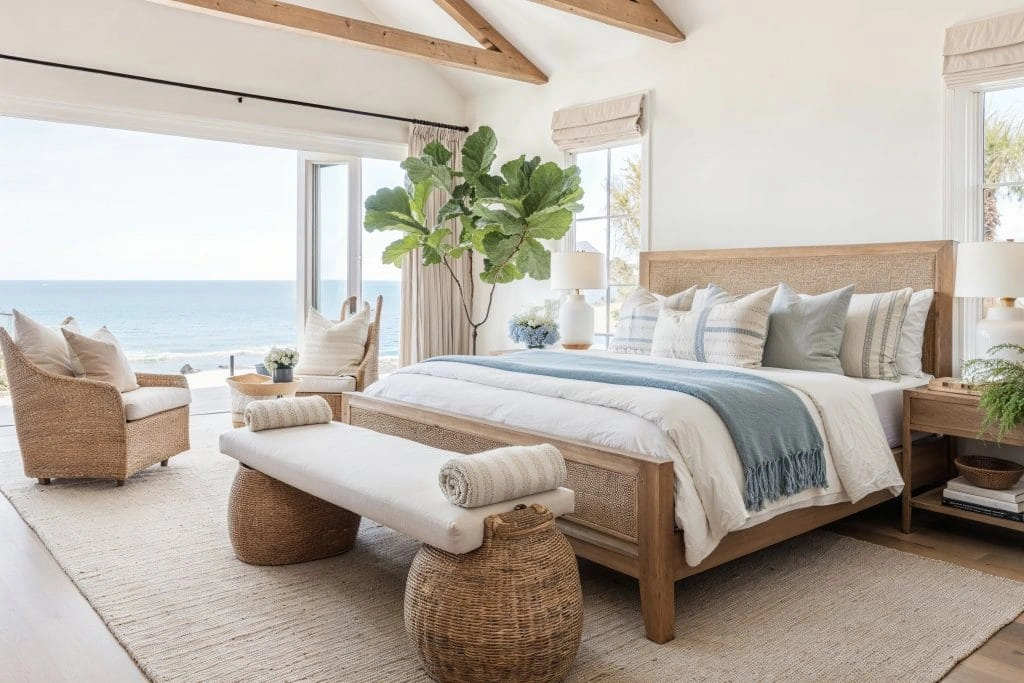
Image Source: Decorilla
Your bedroom should be a sanctuary that expresses your personality, not just a space following the latest design trends. Here’s the thing—when you’re working with limited square footage, having a clear design direction becomes even more important. Every choice you make needs to work harder, so starting with a design theme that genuinely reflects your preferences and lifestyle sets you up for success.
Rather than chasing what’s trending on social media, ask yourself: what makes you feel genuinely happy and calm in your personal space? That’s your starting point.
Pick a cohesive style: modern, coastal, or minimalist
A well-defined style creates visual harmony in a compact space. Here are three popular options that work beautifully in small bedrooms:
Modern style embraces clean lines, functional furniture, and a free-flowing layout. This approach works particularly well in small bedrooms because it emphasizes practicality without sacrificing aesthetics. The ideal modern bedroom placement positions your bed diagonally across from the door, allowing you to see the entrance while keeping distance from it—a layout that aligns with feng shui principles for better energy flow.
Coastal style brings a light, breezy aesthetic with ocean-inspired color palettes. This design approach creates a relaxed atmosphere perfect for unwinding. Modern coastal bedrooms typically feature white or wood furniture, organic textures, and subtle patterns rather than obvious beach motifs. The style evokes a mix of relaxed beach house and classic Hamptons aesthetics that can make small spaces feel more open and airy.
Minimalist style focuses exclusively on essentials, creating spaces free from clutter that calm the mind and spirit. A minimalist bedroom might include simple furniture with clean lines, bare windows, and limited decorative elements. This approach can range from austere (just a mattress) to moderate (including basic furniture pieces), depending on your comfort level with simplicity.
Choose a color story that supports your theme
The right color palette can visually expand your small bedroom while reinforcing your chosen design theme. Here’s what works:
For modern bedrooms, neutral tones provide versatility. Consider a monochromatic color scheme to create cohesion and sophistication with subtle variations in texture. Light neutrals in tonal schemes create softer environments than stark white, which can often create harsh lines rather than the desired spacious effect.
Coastal bedrooms benefit from shades inspired by sand and sea. Beyond the typical blue and white, consider incorporating soft blush tones, muted greens, and warm beige that reflect natural waterfront settings. These colors create a relaxing atmosphere that supports better sleep quality.
Minimalist bedrooms work well with limited color palettes focused on whites, tans, and grays. Rather than pure white, which can feel stark, opt for warmer neutral tones like taupe or light gray that create a soothing ambiance while providing a versatile backdrop for minimal décor elements.
Use decor elements that reinforce the look
The right decorative choices strengthen your design theme without creating visual clutter:
For modern spaces, select a few statement pieces with clean lines rather than numerous small accessories. Wall-mounted fixtures and furniture with built-in storage maintain the uncluttered aesthetic while maximizing functionality.
In coastal bedrooms, incorporate natural materials like cotton, linen, and weathered wood. Woven textures, subtle stripes, and organic elements create the desired beachy feel without resorting to literal seashell decorations or nautical clichés.
Minimalist bedrooms require thoughtful curation. Each item should serve a purpose or bring genuine joy. Focus on quality over quantity, with carefully selected textiles, lighting, and perhaps one meaningful piece of wall art that creates impact without overwhelming the space.
Small bedrooms can feel especially personal and cozy when designed with intention. When you start with a clear design theme that resonates with your personality, you create a foundation for all subsequent decisions about furniture, storage, and decorative elements. Trust me—this upfront planning makes everything else fall into place more easily!
Select Furniture That Works Hard in Small Rooms
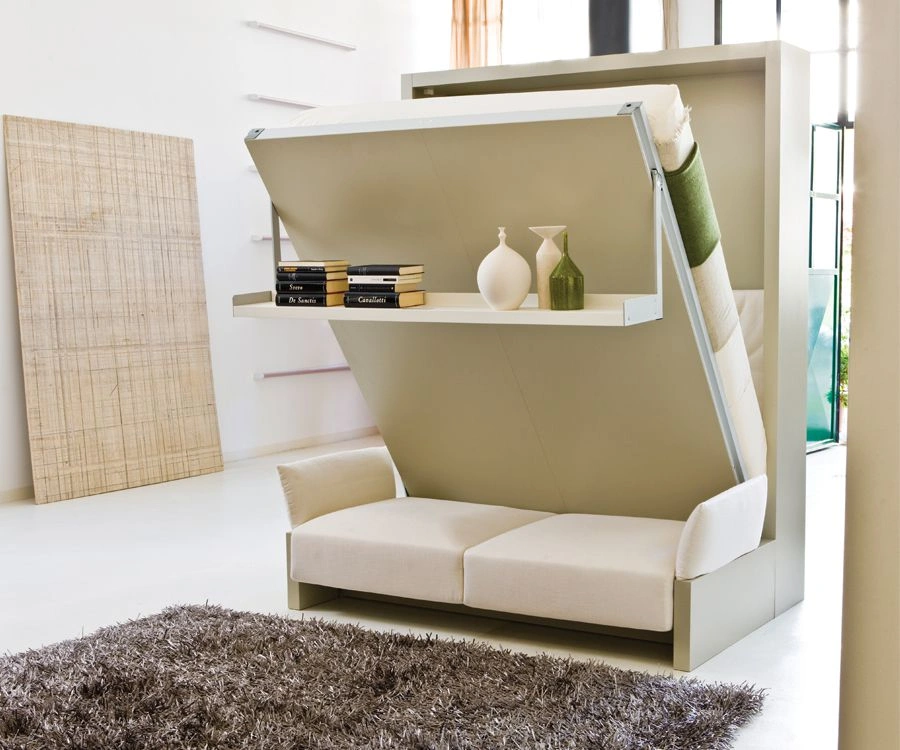
Image Source: The Spruce
When you’re working with limited square footage, every piece of furniture needs to earn its place. Gone are the days of choosing pieces simply because they look good—in small bedrooms, intelligent furniture choices can mean the difference between feeling cramped and feeling cozy. The secret? Finding pieces that multitask as beautifully as they function.
Use beds with built-in storage or low profiles
Storage beds are like having a secret vault hidden beneath your mattress! These clever designs effectively double your storage capacity without consuming additional floor space. Built-in drawers provide ample room for storing sheets, blankets, clothing, and seasonal items. I recommend this solution especially if you’re dealing with inadequate closet space or if adding a dresser would make your room feel overcrowded.
Low profile platform beds offer a completely different approach to space-saving. Sitting closer to the floor, these beds create an illusion of spaciousness while giving you that grounded, zen-like sleeping experience. Their streamlined silhouette makes them ideal for rooms with low ceilings or anyone preferring a subtle, unobtrusive bed frame. Here’s a bonus: many low platform designs feature sturdy, supportive slats that eliminate the need for a box spring, reducing overall height and maintaining those clean lines we love.
Choose foldable or stackable furniture for flexibility
Murphy beds (wall beds) are the ultimate space-saving champions, folding up against a wall or into a cabinet when not in use. Picture this: you wake up, fold your bed into the wall, and suddenly your bedroom becomes a home office, yoga studio, or entertainment space. It’s like having a magic trick built right into your room!
Don’t overlook foldable tables either. These pieces provide full-sized surfaces when you need them but disappear when you don’t. For those juggling work-from-home life, convertible desks that fold out from a wall or cabinet create dedicated workspaces without permanently eating up your square footage.
Modular furniture deserves a special mention here. Adaptable sofas and seating that can be reconfigured allow your space to evolve with your changing needs. As housing trends continue moving toward smaller square footage, these compact, multi-purpose designs have become absolute essentials.
Consider wall-mounted nightstands or desks
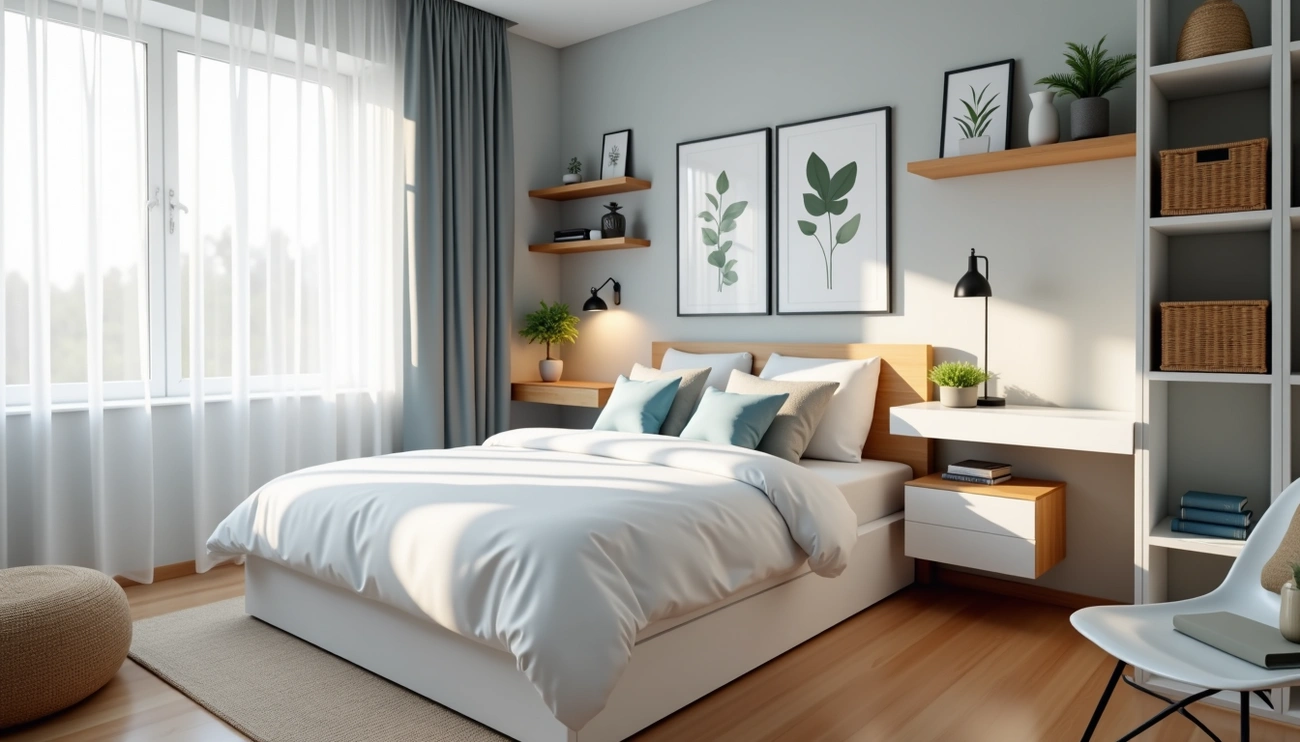
Wall-mounted furniture is where functionality meets smart design. Floating nightstands attach directly to the wall, requiring zero floor space while still providing essential bedside storage. You’ll find both open and closed storage options to keep your essentials organized and within reach.
Here’s what makes wall-mounted pieces particularly brilliant: they play perfectly with under-bed storage solutions. Since they don’t obstruct the floor area beneath storage beds, you can maximize both vertical and horizontal storage. Wall-mounted desks with shelving make excellent use of vertical space, while corner desks utilize those often-overlooked square footage areas.
When shopping for wall-mounted pieces, look for integrated features like cable management cutouts or magnetic sides for notes and reminders. This thoughtful approach ensures every piece serves multiple purposes without making your bedroom feel overcrowded.
Remember, in small bedrooms, furniture isn’t just about filling space—it’s about creating it!
Get Creative with Storage and Layout
Here’s where we get to play interior design detective! Those architectural features you’ve been ignoring? They’re actually goldmines waiting to be discovered. Small rooms demand creative thinking about how spaces are defined and utilized—sometimes we need to throw out the rulebook about what belongs where.
Turn closets into workspaces or vanities
We’ve all stared at that underused closet and thought, “There’s got to be something better I can do with this space.” Well, there is! Consider transforming a small closet into a dedicated vanity area—essentially creating your own mini dressing room. If your closet has a window, position a small vanity table beneath it to preserve natural light while adding functionality. For maximum efficiency, pair your vanity with an upholstered ottoman that tucks underneath when not in use, creating a stylish seat without consuming precious floor space.
Alternatively, you might convert that bedroom closet into a compact home office or “cloffice” (yes, that’s a real term, and yes, it’s as clever as it sounds!). This solution proves especially valuable for those working remotely with limited space. Start by removing doors, shelves, and closet rods—store these if you’re concerned about future resale. Install a floating desk at a comfortable height, then add shelving above for storage and organization. Wall-mounted lighting fixtures ensure adequate illumination without requiring floor or desk space.
Use vertical space with high shelves and hooks
Most of us are guilty of thinking horizontally when we should be thinking vertically. Vertical storage solutions can fundamentally change how small bedrooms function. High shelves installed near the ceiling provide storage for seasonal items or rarely used possessions while drawing the eye upward, creating the illusion of height. For closets with small gaps between storage units, add hooks, open shelves, or narrow bookcases to utilize every available inch.
Wall hooks offer remarkable versatility for bedroom organization. Beyond the obvious use for hanging clothes, they can display hats, purses, scarves, and accessories—essentially turning bare walls into functional storage zones. For maximum impact, install hooks at varying heights to accommodate different items and create visual interest.
For those who love customizable solutions, consider pegboards with adjustable components. These systems allow you to configure storage exactly to your needs, with options for hanging everything from jewelry to electronic devices. It’s like having a storage solution that grows and changes with your lifestyle!
Float the bed or place it in an alcove for better flow
Floating bed designs—those with concealed ground support that make the bed appear to hover—create a contemporary look while physically and visually consuming less space. These minimalist designs work particularly well in small bedrooms as they maintain open floor areas beneath the bed, improving both traffic flow and perceived spaciousness.
Some floating bed designs cleverly integrate hidden storage drawers underneath, providing valuable extra space for linens or seasonal clothing. For maximum visual lightness, choose a bed finish that closely resembles your flooring—it’s like creating a seamless flow that tricks the eye into seeing more space than actually exists.
Alternatively, consider positioning your bed within an alcove or niche. This approach creates a cozy, cocoon-like sleeping area while freeing up the rest of the room for other functions. In truly compact spaces, elevating the bed into a sleeping nook with built-in storage underneath maximizes every square inch while creating a distinctively personal retreat.
Remember, small bedrooms reward bold thinking. Sometimes the most unconventional solutions turn out to be the most brilliant!
Decorate with Intention and Simplicity
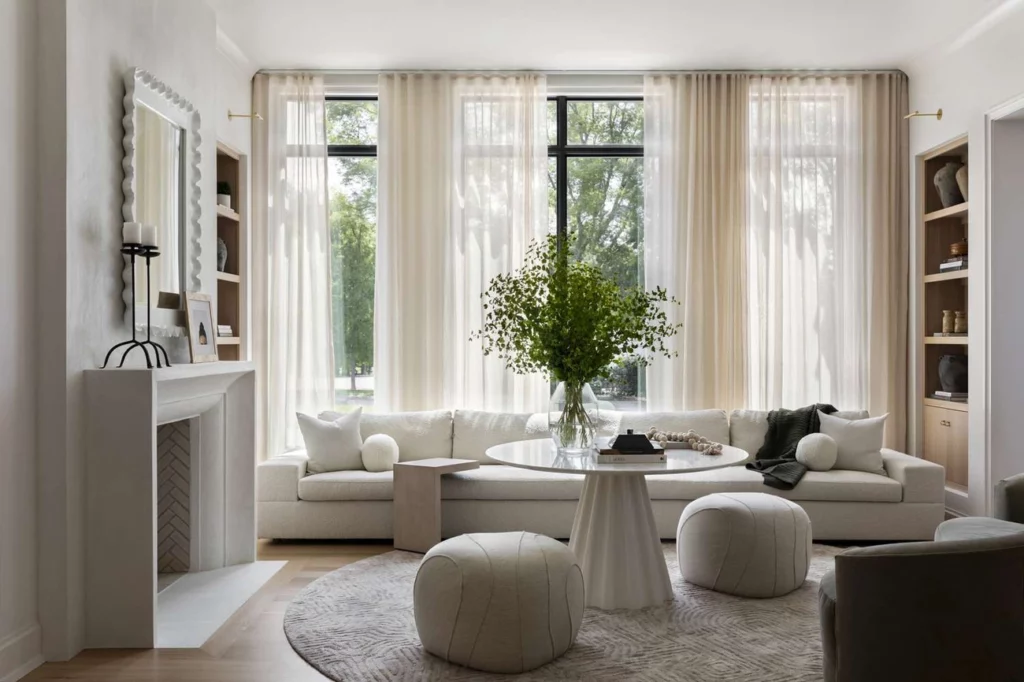
Image Source: Martha Stewart
We’ve all walked into a small room that felt cramped despite being perfectly organized. The culprit? Often, it’s not the lack of space—it’s how we decorate it. Smart decoration choices can elevate your small bedroom beyond its physical dimensions, making minimal square footage feel intentional and refined instead of merely compact.
Use wallpaper or paint to define zones
Here’s a designer secret: strategic wallpaper placement creates distinct functional areas without building actual walls. In open-plan layouts or studio apartments, wallpaper effectively defines different zones within the same space. This technique works exceptionally well behind a bed to establish a bedroom area or behind a desk to create a designated work zone.
Wallpaper offers rejuvenation without extensive renovations, introducing fresh visuals, patterns, and textures that breathe new life into compact rooms. For those hesitant about full coverage (and honestly, who isn’t when facing a small space?), an accent wall provides a focal point that elevates the entire space. Similarly, color blocking with paint can specify a workspace or reading nook without disrupting the room’s flow.
Think of wallpaper as the jewelry of interior design—a little goes a long way in making a statement.
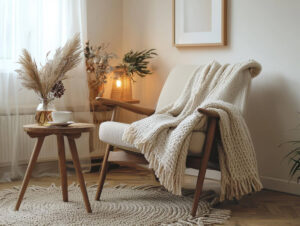
Add texture with throws, cushions, and rugs
Texture is what separates a hotel room from a home. It’s the difference between stark and inviting. Wall textures completely change how rooms feel, creating environments from cozy and intimate to bold and dramatic. Consider combining different textures—smooth, matte, embossed, or metallic—to add depth and complexity.
I recommend starting small with throw pillows—they’re the most affordable way to introduce texture and you can switch them out seasonally. Mix pillows in different fabrics like velvet, faux fur, knit, or woven materials. Area rugs define spaces while adding instant texture—choose oversized rugs extending under furniture to create an illusion of spaciousness.
Balance becomes crucial here. Bold patterns should be offset by subtle textures, whereas delicate motifs pair well with richer finishes. Limit yourself to three or four main textures distributed evenly throughout your bedroom. More than that, and you’ll create visual chaos instead of cozy comfort.
Keep decor minimal to avoid visual clutter
Visual clutter makes small rooms feel chaotic despite careful organization—trust me on this one. For a calmer space, use a limited color palette where your bedding color should be near the wall color on the color wheel.
Group small items on decorative trays to prevent that “scattered tornado” appearance. Consider decorating with odd-numbered groupings (three versus four), which are visually more appealing. It’s one of those design rules that just works, even when you can’t explain why.
Embrace negative space—don’t fill every shelf completely. For bookshelves, leave some empty spaces between objects. Paint shelving the same color as walls for an uncluttered look. This approach creates breathing room that makes even the tiniest bedroom feel intentionally designed rather than accidentally small.
Remember, good decoration is like a great outfit—it should look effortless even when it’s carefully planned.
Use Lighting and Accents to Set the Mood
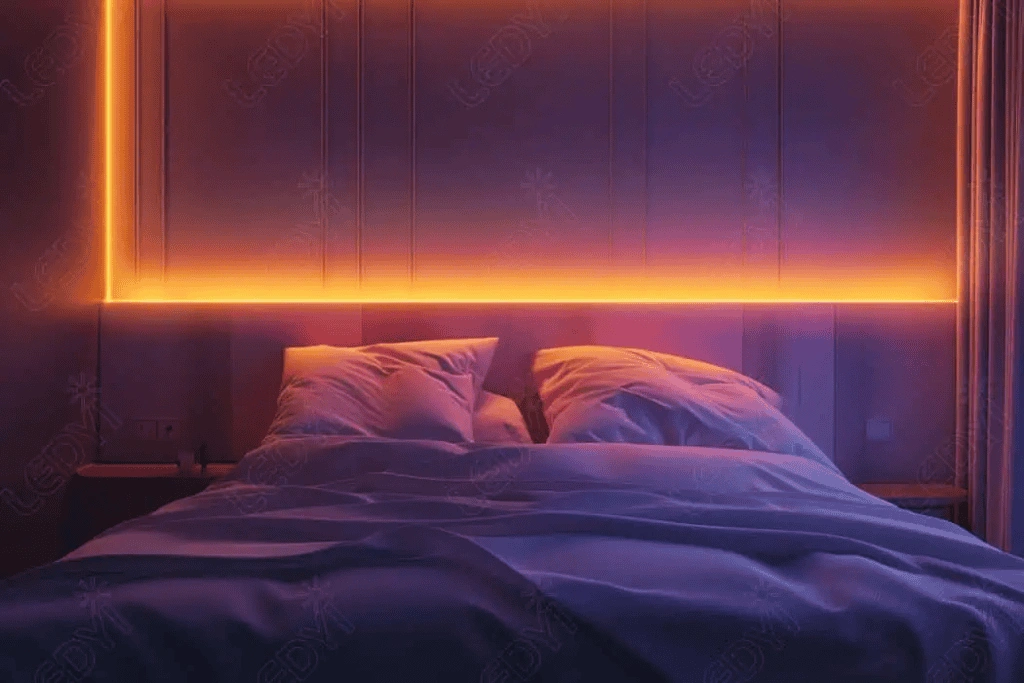
Image Source: Boqi
Here’s something most people don’t realize: lighting can make or break your small bedroom design faster than you can say “overhead fluorescent disaster.” The right illumination creates depth and dimension, while carefully chosen accents add personality without eating up your precious square footage.
Install dimmable lights or LED strips
Forget that harsh overhead light that makes your bedroom feel like a doctor’s office! Indirect, layered lighting creates dimension in tight quarters. Designers recommend using accent lighting like bedside lamps, pendants, and wall sconces with separate dimming controls for customizable ambiance. I recommend aiming for warm white bulbs at 2700K to produce a cozy glow rather than harsh overhead lighting.
LED strip lights offer extraordinary versatility—install them under bed frames for a floating effect, along ceiling perimeters for indirect illumination, or behind headboards as subtle accent lighting. These energy-efficient options use up to 80% less power than traditional fixtures. Think of LED strips as the jewelry of bedroom lighting—they add sparkle without the bulk!
Use mirrors and glass to reflect light
Strategic mirror placement dramatically enhances natural and artificial light. Position mirrors directly across from windows to bounce daylight throughout the room. Alternatively, place mirrors behind light sources to amplify their glow. For maximum impact, designers recommend slightly angling wall-mounted mirrors upward to reflect light downward into the room. Beveled-edge mirrors scatter light more effectively than flat options.
Mirrors are like having a lighting assistant that never takes a coffee break—they work 24/7 to make your small space feel bigger and brighter.
Add a pop of color through art or accessories
Against neutral backdrops, selective color creates focal points without overwhelming small spaces. Artwork, textured throws, and cushions introduce vibrancy without permanent commitment. For cohesive design, limit yourself to 2-3 complementary accent colors distributed thoughtfully throughout the room.
The key is restraint—you want your color choices to feel intentional, not like a paint store explosion. Choose pieces that make you smile every time you walk into your bedroom, because that’s what good design should do!
Conclusion
Who knew such big possibilities could come wrapped in small square footage? We’ve journeyed through every corner (pun intended!) of small bedroom design, from choosing themes that speak to your soul to discovering furniture that works as hard as you do.
Here’s what I love most about small bedrooms—they force you to get creative in ways that larger spaces simply don’t demand. Every decision becomes intentional. Every piece matters. And that level of thoughtfulness? It shows in the final result.
Small bedrooms actually offer unique advantages that their spacious counterparts can’t match. Their intimate scale creates naturally cozy retreats that feel personal and inviting. Plus, these spaces spark innovation, resulting in clever solutions that wouldn’t even occur to you in larger rooms.
The secret sauce we’ve discovered together? It’s all about quality over quantity. Each piece should serve a purpose while reflecting your personal style. Those multifunctional furniture choices, vertical storage tricks, and smart zoning techniques don’t just save space—they create rooms that feel both purposeful and beautiful.
And let’s not forget the magic of good lighting! Strategic mirrors, LED strips, and thoughtfully placed accents can make your small bedroom feel like it defies physics. Similarly, the right textures and carefully chosen decorative elements add personality without creating chaos.
Your small bedroom doesn’t have to feel like a compromise. Instead, it becomes a celebration of intentional living—a space where everything has meaning and every design choice tells part of your story. Whether you’re drawn to sleek modern lines, breezy coastal vibes, or pared-down minimalism, these strategies will help you create a retreat that feels uniquely yours.
So go ahead—embrace those tight quarters and make them shine! Your perfect small bedroom sanctuary is waiting, and now you’ve got all the tools to make it happen.
FAQs
Q1. How can I maximize space in a small bedroom?
Utilize multi-functional furniture like beds with built-in storage, wall-mounted nightstands, and foldable desks. Incorporate vertical storage solutions such as high shelves and hooks. Consider floating the bed or placing it in an alcove to improve flow and create the illusion of more space.
Q2. What color scheme works best for a small bedroom?
Choose a cohesive color story that supports your design theme. For modern rooms, use neutral tones. Coastal themes benefit from sand and sea-inspired shades. Minimalist designs work well with limited palettes of whites, tans, and grays. Light, airy color schemes generally help create the illusion of more space.
Q3. How should I arrange furniture in a compact bedroom?
Place the bed in the center for symmetry, allowing access from both sides if possible. Use wall-mounted or floating furniture to free up floor space. Consider transforming closets into workspaces or vanities. Opt for low-profile or foldable furniture to maintain an open feel.
Q4. What lighting options are best for small bedrooms?
Install dimmable lights or LED strips for customizable ambiance. Use bedside lamps, pendants, and wall sconces with separate controls. Incorporate warm white bulbs (around 2700K) for a cozy glow. Strategic mirror placement can help reflect and amplify both natural and artificial light.
Q5. How can I add personality to my small bedroom without cluttering it?
Decorate with intention and simplicity. Use wallpaper or paint to define zones. Add texture through throws, cushions, and rugs. Keep decor minimal to avoid visual clutter. Introduce pops of color through artwork or accessories, limiting yourself to 2-3 complementary accent colors distributed thoughtfully throughout the room.