
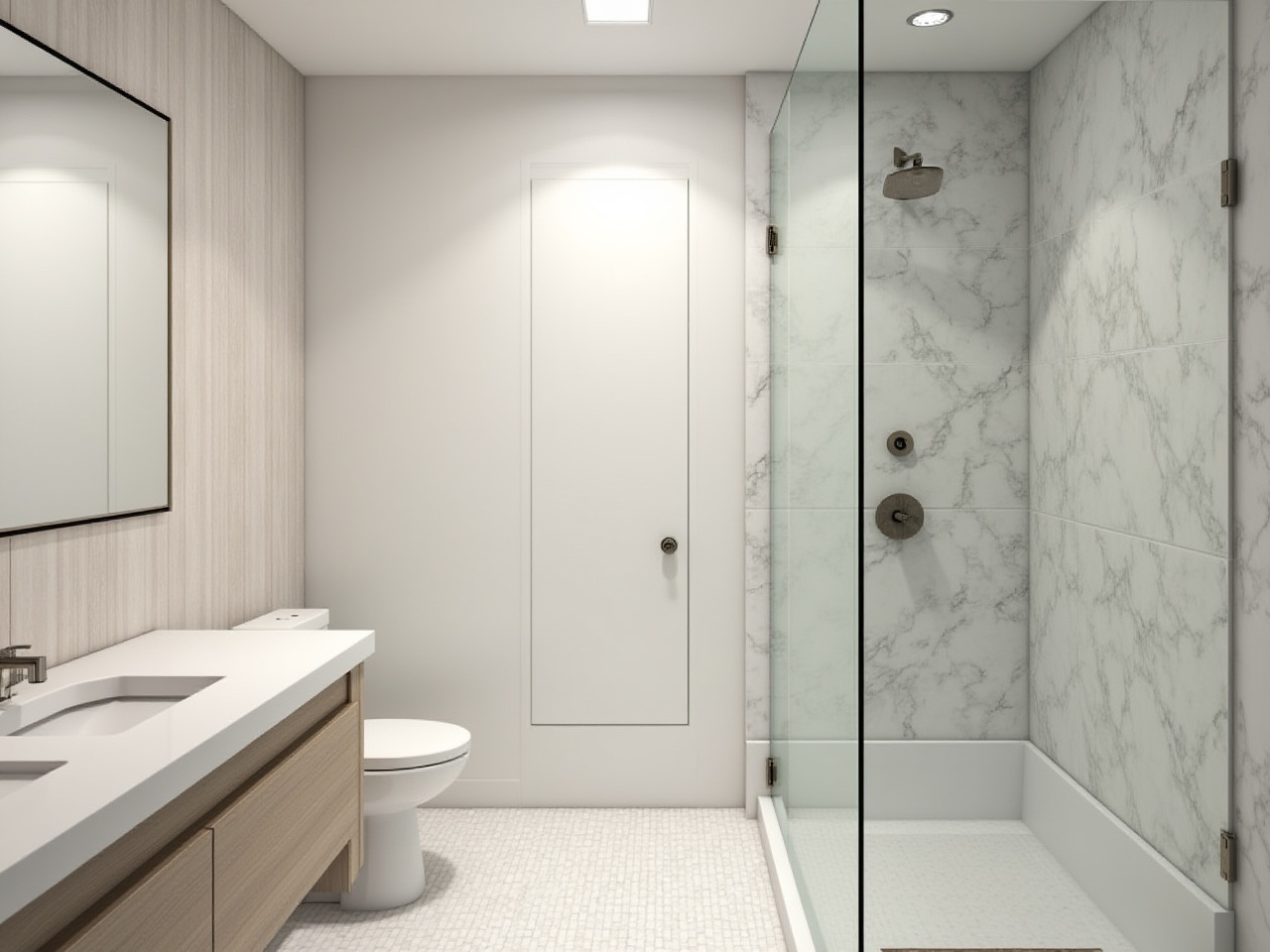
Renovation isn’t just about what’s visible—it’s also about what’s hidden. A beautiful room can quickly lose its charm when wires, HVAC systems, and pipes are exposed. But hiding them with bulky access doors is also not easy on the eyes.
That’s where flush access doors come in. Designed to blend into walls and ceilings, these models offer a smart solution that delivers style without sacrificing function. Whether you’re a renovation contractor, interior designer, or a DIYer, here’s how a flush access door can meet your needs.
What Is a Flush Access Door? (And Why It Matters in Remodels)
A flush access door is a low-profile utility panel that sits level with surrounding surfaces. Unlike standard options that protrude or distract, flush access doors are designed to blend in and complement modern interiors. Depending on your needs, they come in various materials, such as steel, aluminum, plastic, or triple-fiber reinforced cement.
Many models also have hidden hinges, magnetic closures, and paint-ready surfaces that allow them to disappear into the background. But don’t let their sleek appearance fool you—they’re still highly functional.
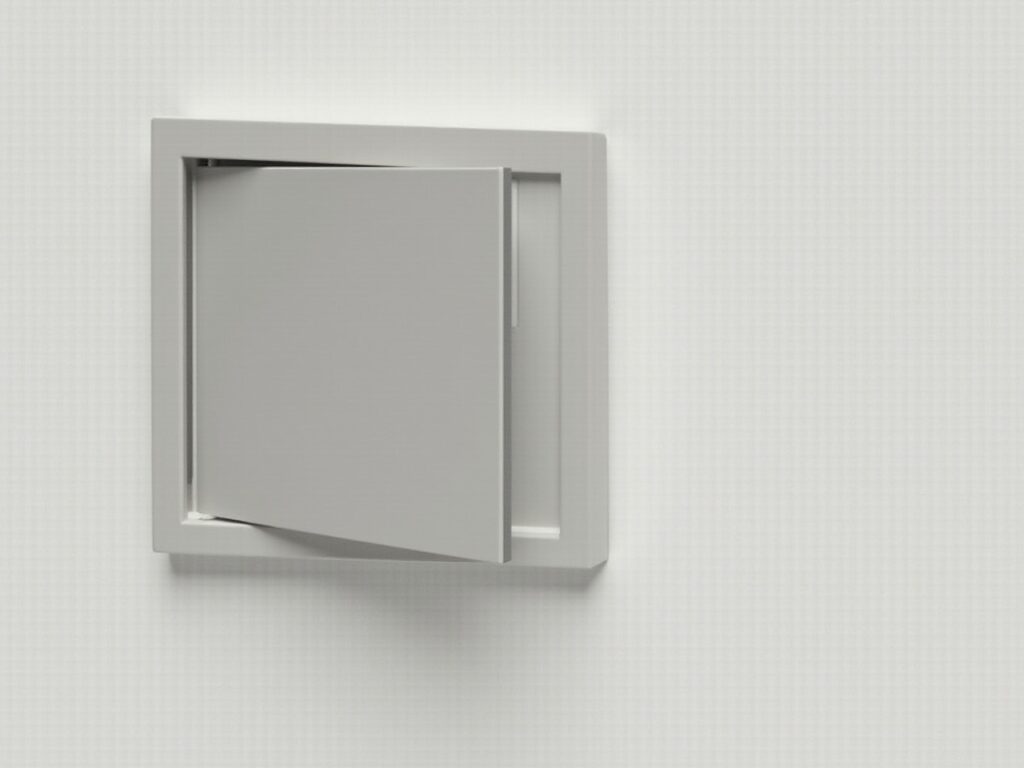
These doors provide quick entry to shut-off valves, cabling, or ductwork, making them valuable in renovations where easy access and interior design are equally important.
They also help comply with building codes, which is why they’ve become a go-to solution in residential and commercial renovation projects.
Design Flexibility: Where Form Truly Meets Function
Interior designers appreciate flush access doors because they adapt to nearly any environment. Their real advantage lies in how well they blend in—allowing you to experiment with materials, textures, and layouts without compromise.
Need to hide a water shut-off behind a tiled shower wall? No problem. Want seamless access in a custom wood-paneled hallway? There’s a flush panel for that, too. Some models are compatible with wallpaper, veneers, or stone, letting them disappear into the surface altogether.
They’re also great for integrating with minimalist designs—think flat profiles, invisible hardware, and clean finishes that don’t distract from the space. Even in bold or eclectic interiors, they serve as a neutral backdrop, allowing surrounding elements to shine.
The bottom line is that flush access doors provide the creative flexibility that supports great design instead of limiting it.
Key Benefits in Remodeling Projects
A flush access door can bring a lot to the table, especially in renovation projects where every detail matters. Here’s what makes it so effective:
1. Seamless Design Integration
These doors sit flat against walls or ceilings, so they don’t interrupt the overall design. That makes them ideal for modern, minimalist, or high-end interiors where clean lines matter.
2. Accessible Maintenance
Whether it’s plumbing, wiring, or ductwork, flush doors provide quick access without breaking through walls or damaging finishes. This makes maintenance or future repairs much easier.
3. Code-Friendly Construction
Many models are made to meet fire, airtightness, or insulation codes. Whether you’re updating multi-family housing or working on a commercial remodel, these doors help keep everything up to code.
4. Long-Term Durability
Flush access panels may look simple, but they’re tough. Made from materials like steel or aluminum, many are corrosion-resistant, scratch-resistant, and built to handle daily use.
5. Customization Options
They come in many sizes, finishes, and materials. Some are made for tile, some for paint, and others for special surfaces like wood or wallpaper. Whatever your design calls for, there’s likely a flush door to match.
Great Ways to Use Flush Access Doors in Your Renovation Projects
Whether you’re renovating a cozy home or a commercial space, flush access doors can solve a lot of design headaches.
Residential Spaces
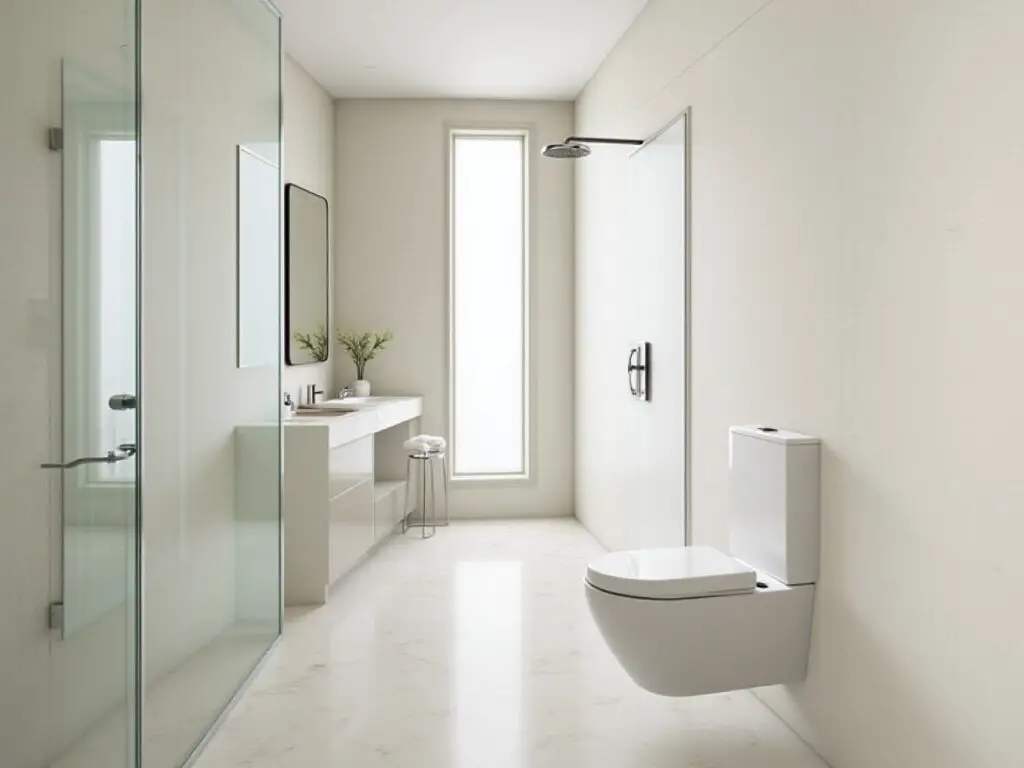
- Bathrooms: Cover plumbing cleanouts or shut-off valves behind tiled walls or mirrors.
- Living Areas: Tuck away AV wiring, smart home controls, or low-voltage panels inside drywall.
- Kitchens & Laundry Rooms: Hide laundry chutes, utility panels, or extra storage with a seamless finish.
Commercial Interiors
- Hotels & Hospitality: Maintain a polished guest experience by hiding back-of-house access points.
- Retail Spaces: Keep utility access discreet in display zones without blocking accessibility.
- Office Buildings: Conceal HVAC zones or cable trays, keeping things clean and professional.
Bonus:
Some remodelers even install flush doors in ceilings to hide attic access or electrical junction boxes, allowing maintenance without interrupting ceiling designs.
Choosing the Right Flush Access Door for Your Project
The right flush access door depends on your surface type and performance needs. For starters, match the material: drywall, tile, wood, or masonry. Not every access door works with every finish, so choose one that integrates smoothly.
Performance also matters.
- Use fire-rated models to meet building codes for condominiums, apartments, or commercial buildings.
- For sound-sensitive spaces like offices or clinics, look for acoustic-rated panels.
- Need security? Opt for a locking model for restricted areas.
When it comes to design, think about your priorities. Gypsum-core access doors offer fire resistance. Hidden flange models keep seams invisible. Magnetic latch systems provide tool-free access—great for homes or businesses where speed matters.
Balancing looks and function will give you an access door that works as hard as it looks good.
Installation Tips To Get the Best Results
To get that crisp, invisible finish, proper installation is everything. Whether you’re a construction professional or a DIYer, follow these steps to ensure a smooth result:
1. Plan Ahead
Figure out where you’ll need access—plumbing shut-offs, HVAC zones, wiring, crawl spaces—and mark those locations early in the project. Adding one later can mess up your timeline and design.
2. Confirm Structural Support
Verify there’s proper backing or blocking, especially for ceiling installs or heavier doors. A flush access door can’t stay level if the framing behind it shifts or sags.
3. Prep With Precision
For a snug fit, measure the opening carefully. Accurate cuts keep the access door aligned and invisible.
4. Use the Right Hardware
Stick with manufacturer-recommended fasteners to avoid warping or damaging the door frame. Use a level and square to maintain perfect alignment during mounting.
5. Finish With the Right Touch
Most flush access panels come paint- or finish-ready. Use the same materials—paint, wallpaper, texture—as the surrounding wall to blend it in.
6. Keep It Practical
Make sure the door swings or latches easily. Avoid painting it shut. In high-use areas, choose a model with tough surfaces and easy-to-use hardware.
Final Takeaway
A flush access door is one of those finishing touches that takes your remodeling project to the next level. It keeps things functional, code-compliant, and—best of all—beautifully clean.
These access doors offer a smart, seamless solution for contractors, designers, and property owners who know that details matter. Whether updating a townhouse, condo, or commercial building, flush access doors help you do it with style.