
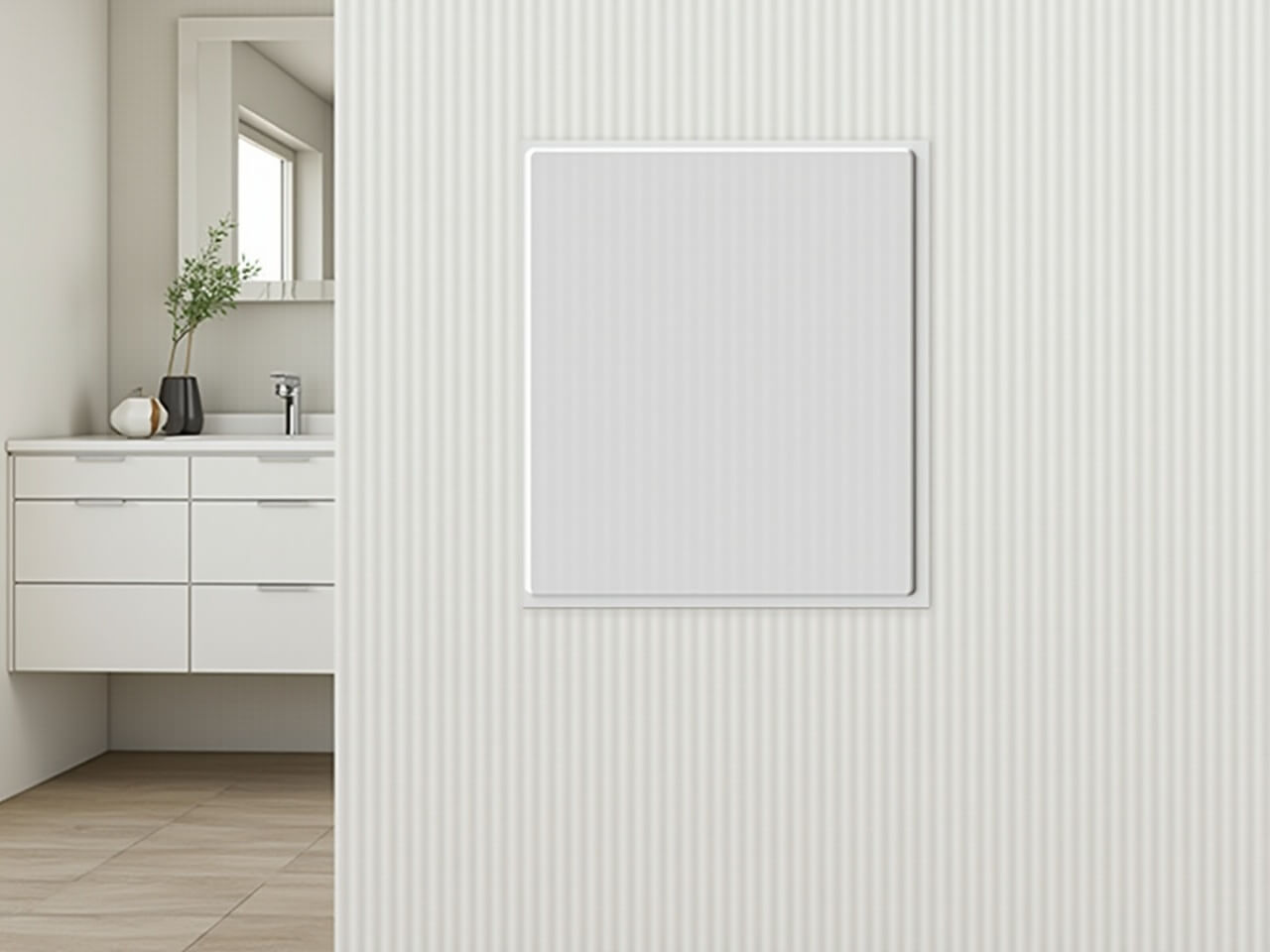
Renovation projects involve a lot of decisions. Each choice shapes the space from tile selection to tap fittings and lighting plans to flooring finishes. But beyond the surface upgrades, some of the most valuable features are the ones that often go unnoticed—until they’re needed. Recessed access doors fall into that category.
These low-profile, flush-mounted panels provide clean access to key systems hidden behind walls, ceilings, or floors—plumbing, electrical, and HVAC. They stay out of sight but are always ready when access matters.
Here are the reasons recessed access doors make a smart, lasting upgrade.
They Keep Walls and Ceilings Intact During Repairs
No matter how well a space is built, maintenance will eventually be needed. A leaking valve, a faulty wire, or a ceiling duct that requires servicing can all come up over time. The challenge often lies in accessing these systems without damaging the surrounding area. Reaching them usually means cutting into finished walls or ceilings without a built-in access point. This creates dust, disruption, repairs, and repainting expenses.
Recessed access doors help prevent those issues. They are installed during construction or renovation to provide a clean and direct way to reach important systems hidden behind surfaces.
When something needs attention, a technician or personnel can open the panel, complete the work, and close it again without disturbing the surrounding finishes. There is no need for demolition or patching, and the space stays clean and intact.
They Maintain a Clean, Modern Look
Looks matter in every renovation. Visual consistency ties everything together and makes a room memorable for all the right reasons. Recessed access doors make it easy to hide the essentials so the design always stands out.
These panels fit into walls or ceilings and can be finished with paint, tile, or bold wallpaper for a custom touch. No bulky hardware interrupts the flow, and nothing distracts you from the features you want to highlight. The result is a smooth, polished surface that puts your favorite design elements front and center.
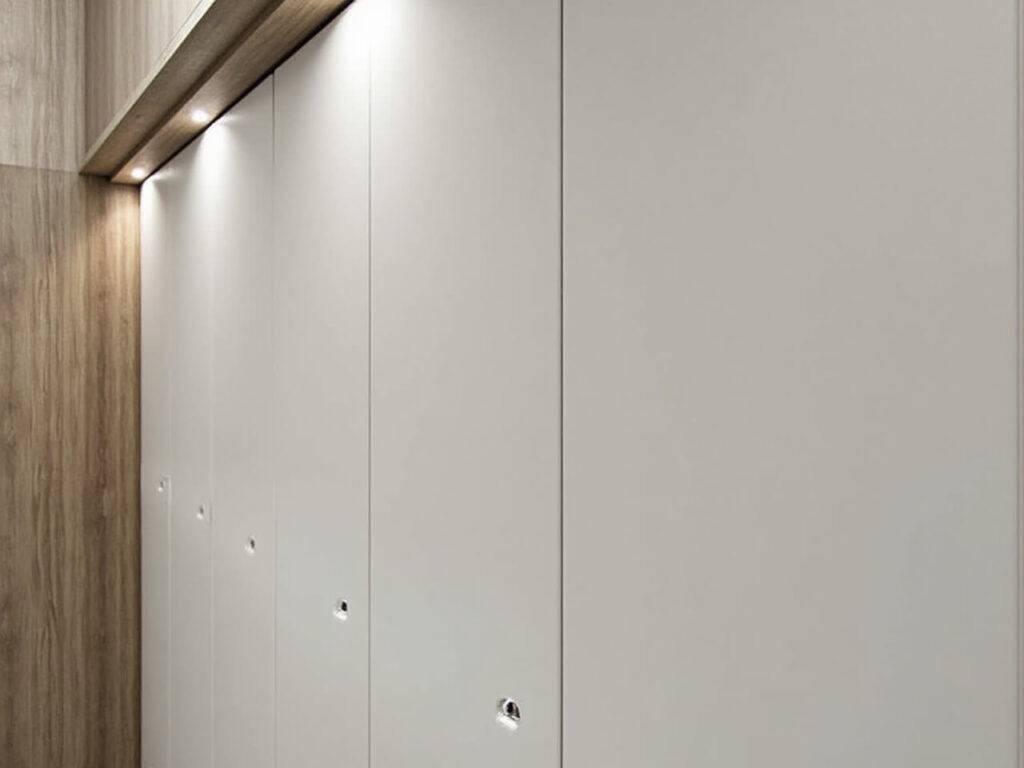
Minimalist homes keep their calm, streamlined vibe. Feature walls and unique cabinetry stay in the spotlight. Lobbies and corridors maintain a sharp, professional appearance in offices and commercial buildings, while important building systems stay out of sight.
They Make It Easier to Meet Building Codes
Building codes set the ground rules for safe, functional spaces. Fire-rated assemblies call for certified panels, and valves, meters, and cleanouts must stay within easy reach for regular maintenance. Electrical components depend on secure, well-designed entry points that meet safety standards. Together, these details help create a home or any building that is compliant and organized.
Access panels are designed to support these requirements without affecting the look of the space. Available in fire-rated, insulated, airtight, and gasketed versions, they meet many specifications for residential and commercial projects. This allows builders to meet inspection standards while maintaining a clean, cohesive finish.
They Support Smarter, More Sustainable Renovation
Well-planned renovations focus on more than surface updates. They aim to reduce waste, extend the life of materials, and make future maintenance easier. Recessed access doors contribute to this by allowing critical systems to remain reachable without cutting into finished walls, ceilings, or floors.
Many recessed access doors also support energy-efficient construction. Some are insulated to minimize heat loss around HVAC components. Others feature sealed or gasketed designs that help prevent air leakage, which can improve temperature control and lower energy consumption.
They Add Long-Term Value to Any Property
Recessed access doors contribute to long-term property value through durability, efficiency, and clean integration. They keep essential systems accessible while protecting surrounding finishes, which reduces maintenance and repair costs.
In residential and commercial settings, these panels demonstrate practical planning. They support the overall function of the space and maintain the condition of finishes over time. Their inclusion adds measurable value and meets the expectations of future occupants focused on performance.
Key Factors to Check Before Using Recessed Access Doors in Renovations
Surface Compatibility
Not all access doors are designed to work with every finish. Before installation, consider the final surface and choose a door that aligns with that material.
Using the wrong type could lead to misalignment, cracking, or visible seams once the wall is complete. Matching the door to the surface ensures it integrates cleanly into the design without disrupting the look or causing rework down the line.
Clearance Behind the Wall or Ceiling
An access door only works if there’s enough space behind it to open and reach what’s inside safely. Inspect the wall cavity or ceiling plenum before selecting a size.
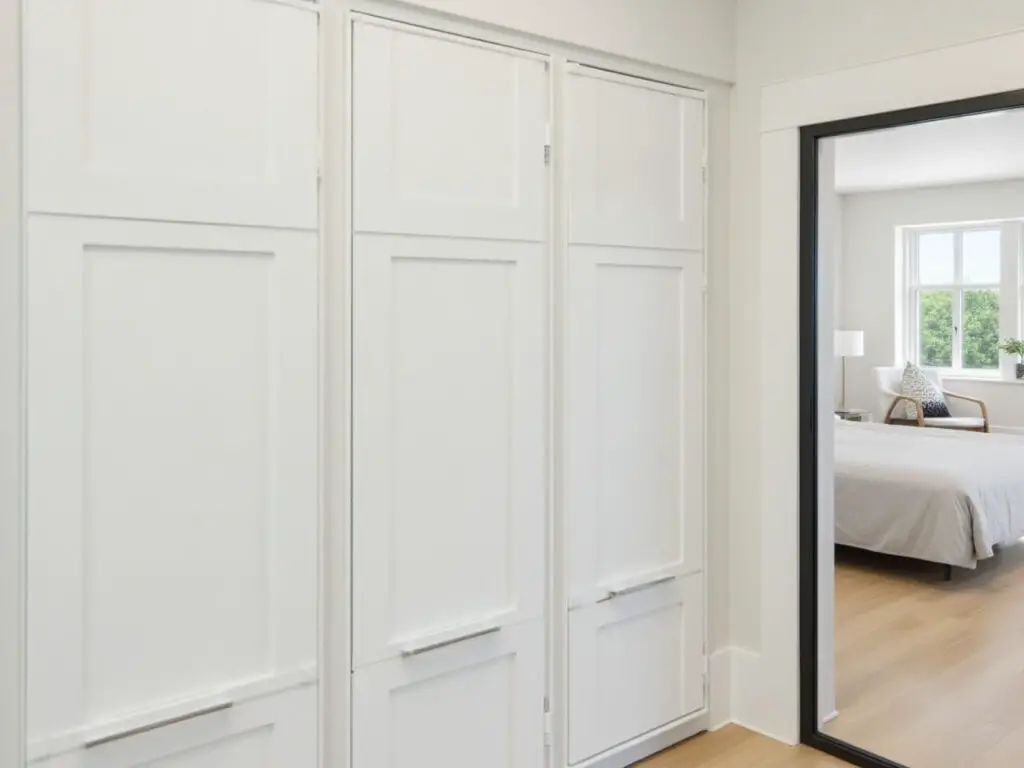
You’ll need to account not just for the thickness of the wall but also for any framing, ductwork, or other obstacles that could block the panel from opening properly. Ensuring enough room to use tools or perform repairs through the opening is also important.
Locking Mechanisms and Security
Depending on the location, access to building systems might need to be restricted. A lockable panel can protect electrical, HVAC, or plumbing components from tampering in shared residential hallways, commercial spaces, or anywhere open to the public.
You might even consider concealed latches for added security and a neater finish for sensitive areas. Always balance ease of access with the need for control, especially in environments with multiple users or safety concerns.
Size and Accessibility
Choosing the right size for your access door helps ensure technicians or homeowners can easily reach plumbing, electrical components, HVAC systems, or other hidden utilities. A door that’s too small may make maintenance difficult or require removing additional wall or ceiling material. Think about the tools and equipment that need to fit through the opening and how comfortably someone can work inside the space.
To Sum It Up
It’s easy to focus on visible upgrades when renovating, especially in a home where comfort and design take the lead. Still, practical features like access doors play a quiet but important role. They make routine maintenance straightforward and help avoid tearing into finished surfaces when repairs are needed. These small additions, from concealed valves to hidden wiring, support the space beyond the initial build.