
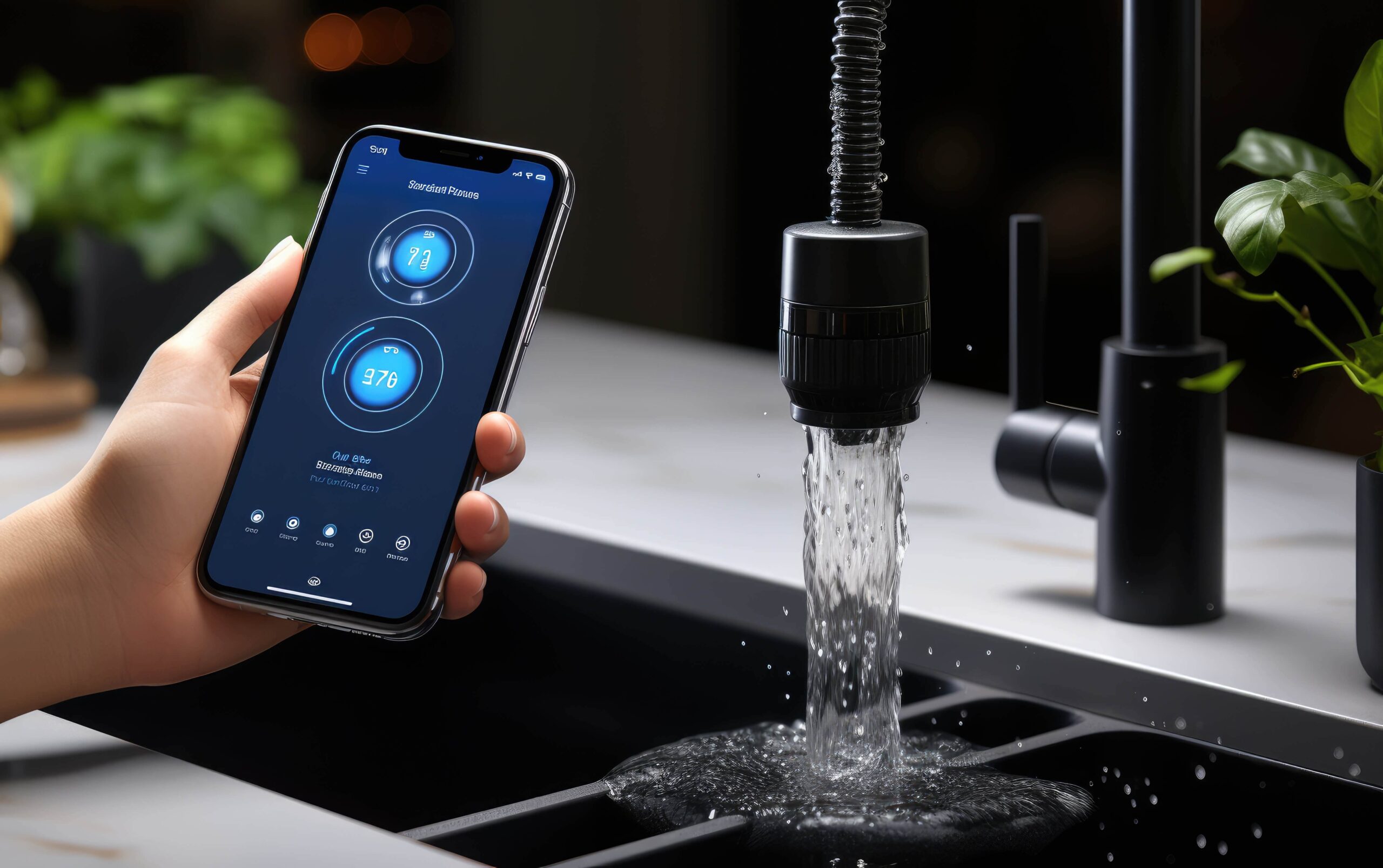
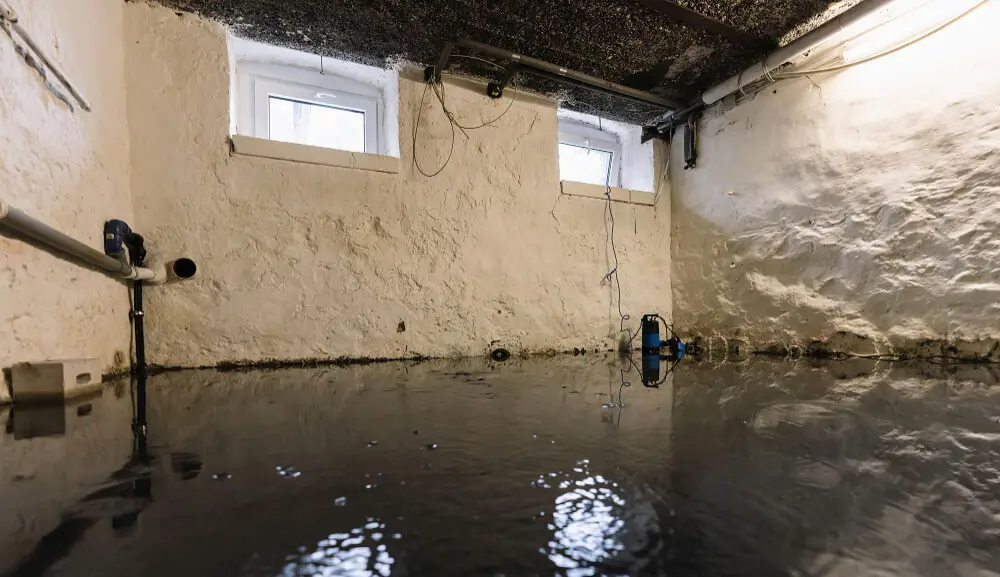
Imagine waking up to a watery basement after a slow crack in your foundation went unnoticed for weeks; this might end up costing you thousands in repairs. In fact, just one inch of water can cause up to $25,000 in damage, according to FEMA estimates. Now, picture an IoT leak sensor sending an alert the instant moisture is detected before more damage can occur. In this blog, we’ll explore how foundation repair and water damage restoration are being transformed by innovative basement systems using leak sensors and IoT technology.
Why Basements Are Vulnerable to Water Damage
Basements are extremely prone to water damage due to structural, environmental, and plumbing factors. Basements are located below the ground level. This means that water from rainfall, snowfall, and rising groundwater can accumulate around the foundation. These hidden threats can seriously impact foundation integrity and indoor air quality. Basements act like natural receptacles for water driven in by hydrostatic pressure. Add cracks, plumbing issues, or poor drainage, and you’ve got a recipe for disaster. Even newer homes with modern foundations aren’t immune to water damage if external pressure or drainage issues aren’t addressed.
Common Sources of Basement Leaks
Here are some of the common causes and sources that might cause basement leaks.
- High buildup of hydrostatic pressure of saturated soil pushing the water to leak through the foundation walls and or the floors
- Cracks in foundation walls or floors, whether due to settlement, seismic activity, or construction defects.
- Poor drainage or clogged gutters that allow water to pool around and then seep into your foundation.
- Plumbing failures, such as burst pipes or leaky appliances, can also cause leaks. According to the EPA, a 1/8-inch crack in a pipe can leak 250 gallons daily.
The Consequences of Water Intrusion
Water intrusion bleeds into many areas:
- Structural Weakening: Persistent moisture can destabilize the concrete and cause the foundation to settle.
- Mold and Mildew: Damp basements are perfect environments for unhealthy mold growth.
- Rising Costs: Water cleanup alone costs $3828 on average, while full restoration costs range from $450 to $16,000.
- Health and Insurance Issues: Some homeowners lack full coverage for seepage under standard policies.
- Electrical Hazard: Floodwater can reach electrical wiring, outlets, and basement appliances, increasing the risk of electrical shocks, fires, and system failures.
Traditional Waterproofing vs. Smart Waterproofing
Traditional waterproofing only repairs the visible leaks that have occurred due to damage, but smart systems with IoT sensors can change the way we think about it.
Limitations of Traditional Waterproofing Methods
Traditional waterproofing methods for basements have been widely used, but they come with several notable limitations:
- They only provide detection after leaks are visible, often when damage has already begun.
- No real-time monitoring, so issues can go unnoticed for a long time
- Reactive, not preventive, which causes homeowners to act late when mold or structural harm is already present
- Rigid waterproofing materials used in older methods may restrict the natural movement of a building’s structure. Over time, as the foundation settles or shifts, these inflexible barriers can crack, reducing their effectiveness and leading to leaks.
- While some traditional methods are initially inexpensive, the need for ongoing maintenance, repairs, or eventual upgrades can make them less cost-effective in the long run.
What Makes a Smart Waterproofing System?
A modern waterproofing solution includes:
- Moisture or water sensors are placed in key zones like basements, near sump pumps, and along foundation walls.
- Smart alarms alert homeowners when a leak is detected via app notifications or emails.
- Automation features, such as auto shut-off valves or sump pump activation, instantly minimize damage.
- Incorporating high-tech polymers, elastomeric membranes, and crystalline waterproofing materials creates durable, flexible barriers.
How Leak Sensors and IoT Devices Work
IoT-enabled devices, along with leak sensors, use algorithms from zone identification to predict leaks, which changes the way we detect early and respond to property damage in a timely manner when water incursion is about to occur. A part of a growing category called “smart home infrastructure,” these tools include everything from flood sensors to thermostats.
Types of Leak Detection Sensors
- Point-of-contact moisture sensors that detect water at key problem areas.
- Smart water alarms, often battery-powered and Wi-Fi enabled, send alerts directly to your phone.
- Connected shut-off valves that automatically stop the water supply when leaks are detected.
Real-Time Monitoring and Alerts
Sensors send data through Wi-Fi or LoreWAN to the dashboard or your phone for remote access to data from anywhere. The central system or connected mobile applications analyze the incoming data in real-time. When a leak or irregularity is detected, the system immediately sends alerts to homeowners, which helps them take swift action and minimize the overall damage to the foundation.
Benefits of Integrating IoT in Basement Waterproofing
The integration of IoT for basement waterproofing has several benefits in the areas of future damage mitigation, cost savings, and long-term peace of mind.
- Sensors provide instant alerts for faster action.
- Early leak detection helps prevent major repairs by catching minor problems early.
- Targeted foundation repair, guided by sensor data, ensures more accurate interventions.
- Insurance incentives are sometimes available to homeowners who install monitoring devices.
- Peace of mind when traveling or during stormy seasons, knowing your basement is being monitored 24/7.
Knowing When to Bring in the Experts
Even the most innovative tech cannot fix cracks or soaked walls without professional intervention. Leak sensors can help you be aware of the current situation of your basement, but only professionals can repair the main issue and restore the safety of your house. Let’s look at when to call in the specialists and how they work alongside smart waterproofing systems.
When to Call for Professional Foundation Repair
Call a specialist if you notice:
- Misaligned or sticking doors/windows
- Sagging floors
- Interior or exterior cracks
- Bowing walls or walls leaning outward
- Lingering dampness despite having smart systems in place
How Water Damage Restoration Complements IoT Tools
- Professionals can help with drying, dehumidification, and mold treatment following sensor alerts.
- Restoration teams can also implement preventive measures like sealing, grading fixes, or drainage upgrades.
Are Smart Waterproofing Sensors Worth the Investment?
Smart sensors can cost around $50 to $500. Cheaper models might only detect leaks without any Wi-Fi or Bluetooth systems built into the system. The cost might be higher for features such as LED indicators, environmental monitoring, sirens, and cables, as well as other integration options such as voice control. Even a single prevented leak can justify the entire investment in sensors, as the cost of repairing water damage can be a small fortune. In comparison to foundation repair, system costs are modest. These devices are low-maintenance, long-lasting, and easily integrated with sump pumps or waterproofing systems. Along with ROI, when you invest in smart waterproofing systems, you can also get peace of mind. This system is mainly helpful for homeowners who travel often or live in flood-prone regions.
Smart Features That Go Beyond Leak Alerts
One of the considerations that needs your attention is energy efficiency. Some IoT-integrated waterproofing systems connect with HVAC systems to regulate basement humidity, improving air quality and reducing energy use. Smart systems also include data logging, giving homeowners historical insights into moisture levels and sensor activity. For instance, a consistent increase in humidity near one wall might reveal a grading or runoff problem even before visible cracks emerge. These long-term views also help homeowners make better maintenance choices, thus preventing the continual cycle of damage.
Key Takeaways
Combining smart basement defense using technology like leak sensors and IoT systems is reshaping how homeowners approach foundation repair and water damage restoration. Utilizing these technologies allows you to be one step ahead and allows professionals to step in before structural damage reaches serious levels. Ultimately, it gives a homeowner a unified system using modern upgrading techniques as an IoT monitoring system that allows them more control, greater savings, and ultimately, a safer home.