
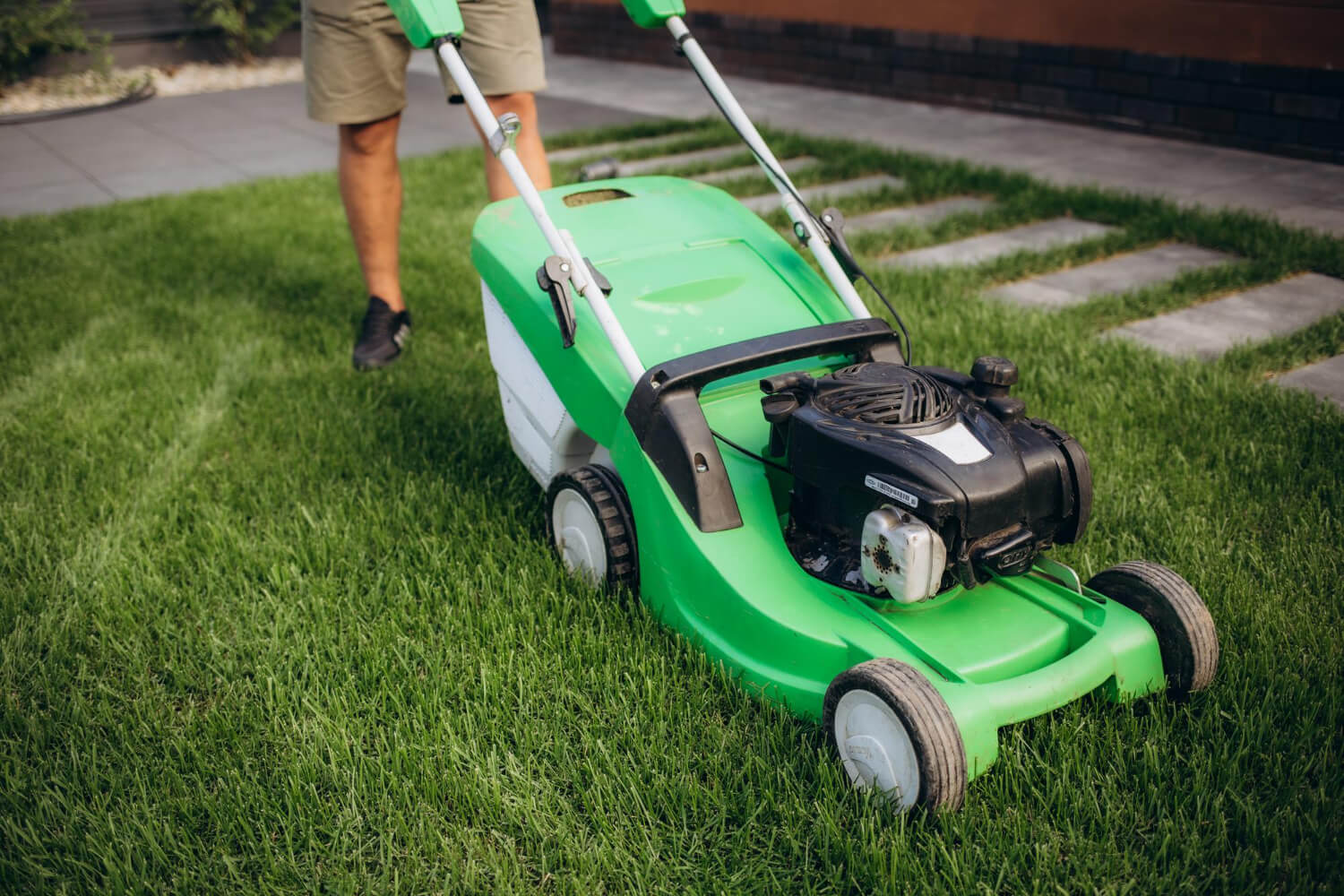
Maintaining a lawnmower is vital to keeping your yard in great shape, and one component that often requires special attention is the belt system. The drive belts for lawn mowers play a crucial role in transferring power from the engine to the blades and wheels, making sure your mower operates smoothly and efficiently. Proper care of these belts can extend their lifespan, saving you time and money on repairs and replacements. In this article, we will share practical tips for keeping your mower’s drive belts in top condition.
It’s important to know how drive belts function in lawn mowers
Before diving into maintenance tips, it’s essential to understand why drive belts matter so much. These belts are responsible for transmitting power from the engine to other parts of the mower, including the cutting blades and self-propulsion system in specific models. When belts function correctly, your mower cuts grass evenly and moves effortlessly. However, if belts wear out or slip, they can lead to poor cutting performance, loss of propulsion, and even damage to other components.
Recognizing the importance of the belt system encourages proper maintenance, which is crucial for extending belt life and ensuring your mower operates reliably season after season.
Regular inspection and cleaning
One of the simplest yet most effective ways to extend the life of your drive belts for lawn mowers is to perform regular inspections. Check your belts frequently for signs of wear such as cracks, fraying edges, glazing, or stretching. Early detection of problems enables you to address minor issues before they escalate into belt failure.
Additionally, keeping the belts and surrounding areas clean is critical. Dirt, grass clippings, and other debris can accumulate on belts and pulleys, leading to slipping and accelerated deterioration. After each mowing session, clean the mower deck and remove any buildup around the belt path. This practice prevents premature deterioration and helps maintain consistent belt performance.
Maintain proper belt tension
Proper tension is essential for the longevity of drive belts. A belt that is too loose will slip on the pulleys, leading to inefficient power transmission and increased wear. Conversely, a belt that is too tight puts extra strain on bearings and pulleys, which can lead to premature failure of these components.
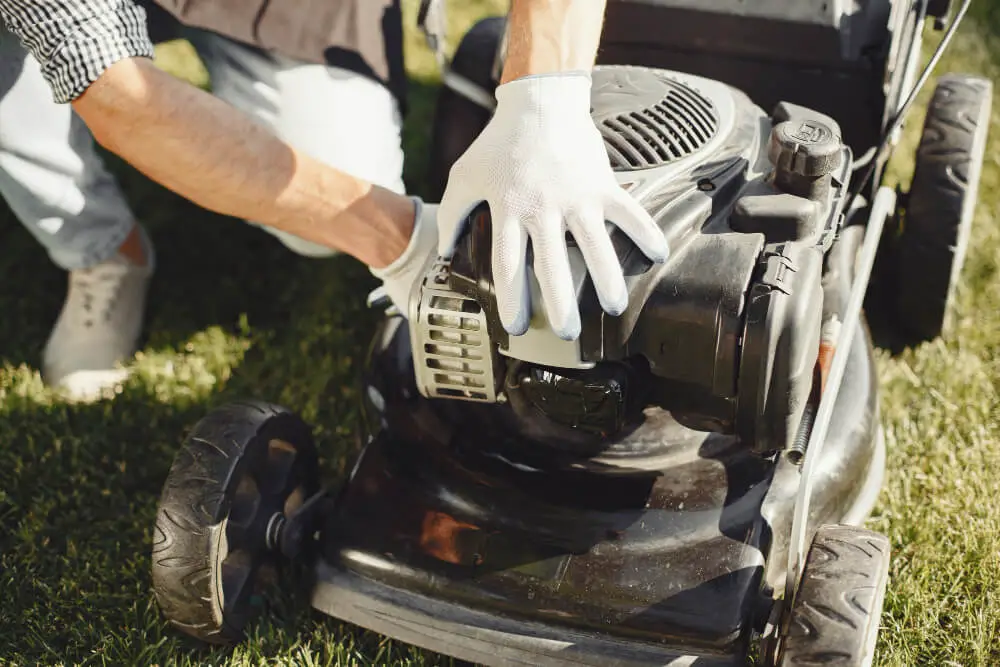
Refer to your lawnmower’s manual for guidance on adjusting belt tension to the manufacturer’s recommended specifications. If your mower has an automatic tensioner, ensure it is functioning correctly. Regularly checking and adjusting tension ensures your belts operate under optimal conditions, helping them last longer.
Avoid overloading your mower
Using your lawnmower under excessively demanding conditions can shorten the lifespan of your drive belts. Overloading the mower by cutting very tall, wet, or thick grass forces the engine and belts to work harder than they are designed to, increasing the risk of slipping, overheating, and wear.
To prevent this, mow regularly to avoid letting grass grow too long, and try to mow when the grass is dry. If you encounter particularly tough patches, consider making multiple passes at a higher blade setting instead of forcing the mower through heavy loads in one go. This approach reduces stress on the belts and other mower components.
Store your mower properly
Environmental factors, such as heat, moisture, and exposure to sunlight, can cause rubber belts to degrade over time. Proper storage of your lawnmower during off-seasons or when not in use for extended periods helps preserve the integrity of the drive belts.
Keep your mower stored in a dry, shaded place that protects it from direct sunlight and extreme weather. Elevate the mower or place it on a clean, dry surface to prevent contact with moisture or dirt. Taking these precautions reduces the risk of belts drying out, cracking, or becoming brittle.
Replace belts at the right time
Even with the best care, drive belts don’t last forever. It’s essential to replace them once they show signs of significant wear or according to the manufacturer’s recommended schedule. Waiting too long to replace worn belts can lead to slippage, poor performance, and damage to other components of your mower.
When replacing belts, always use quality parts that match your mower’s make and model. Choosing the correct belt ensures proper fit and durability, helping you get the most out of your replacement.
Summary of best practices
To keep your lawnmower’s drive belts in great shape and extend their lifespan, follow these key tips:
- Inspect belts regularly for signs of wear or damage
- After each use, clean the belts and nearby components to avoid the accumulation of debris.
- Adjust belt tension according to manufacturer’s guidelines
- Avoid overloading your mower with thick or wet grass
- Store the mower properly in a dry, shaded area during off-season
- Replace belts promptly when they show wear or reach recommended service intervals
Implementing these practices will help your mower operate efficiently and reduce the risk of unexpected breakdowns.
Conclusion
Drive belts are essential components that keep your lawnmower cutting smoothly and moving effortlessly. Understanding the importance of regular maintenance and adopting practical care habits will significantly extend the life of your drive belts for lawn mowers. By inspecting, cleaning, adjusting tension, avoiding overload, storing properly, and replacing belts on time, you protect your investment and ensure your mower remains reliable year after year.
With proper belt care, you’ll enjoy a consistently well-maintained lawn without the frustration of unexpected equipment failures. Whether you’re a homeowner or professional landscaper, taking these steps is key to maximizing your mower’s performance and longevity.